Your bag is empty
Add something beautiful to get started

There’s a shawl in Kashmir that takes six months to weave, sometimes longer, where every thread interlocks by hand, guided by a coded script only master artisans can read. The pattern looks identical on both sides, a technical feat that signals centuries of inherited knowledge.
This is Kani Shawl weaving, an ancient tapestry technique that transforms Pashmina fiber into reversible fabric art using small wooden needles and patience measured in seasons.
We’ll walk through its Mughal origins, the step-by-step process that makes each piece unrepeatable, how to recognize authentic work, and why the craft commands both reverence and investment from collectors worldwide.

Kani weaving is an ancient tapestry technique from Kashmir where artisans use small wooden needles, called “Kani”, to interlock colored threads on a handloom, creating intricate patterns that look identical on both sides.
Unlike embroidery, which stitches designs onto finished cloth, Kani weaving builds the pattern thread by thread as the fabric itself takes shape. A coded notation system called “Talim” guides every color change and motif placement, translating visual designs into instructions that can be woven.
The craft emerged during the Mughal era, when emperors commissioned Kashmir’s finest weavers to create shawls that rivaled Persian textiles. What made Kani different was its reversibility; the front and back appeared identical, a technical feat that signaled mastery.
Emperor Akbar’s court records mention Kashmiri Shawls as prized possessions, valued higher than jewels in some cases. The Mughals brought Persian master weavers to Kashmir, who introduced elaborate floral motifs: paisleys, cypresses, almond blossoms. Kashmiri artisans adapted the foreign influences to local aesthetics, creating a visual language that married Central Asian grandeur with Himalayan restraint.
After the Mughal decline, Kani Shawl weaving nearly disappeared. Then the Dogra rulers of the 19th century recognized its cultural value and established formal weaving communities. Maharaja Ranbir Singh patronized master craftsmen, ensuring techniques passed from one generation to the next. This period saw Kanihama emerge as the primary weaving village, where families began specializing exclusively in Kani work.
Today, Kani Shawls have found new appreciation among collectors who value slow fashion and artisanal heritage. International museums display antique pieces as textile masterworks. The craft received Geographical Indication protection in 2008, legally safeguarding its authenticity and origin.

Kanihama sits roughly 15 kilometers from Srinagar, and nearly every household here has at least one family member involved in the craft. Walk through the narrow lanes and you’ll hear the rhythmic click of wooden needles against looms, a sound unchanged for centuries.
The region’s cool, dry climate naturally suits pashmina fiber processing. Kashmir’s high altitude and specific humidity levels keep delicate fibers from becoming brittle or overly moist, conditions that would compromise yarn strength during weaving. Local streams provide soft water ideal for dyeing.
Weaving knowledge transfers through apprenticeship, typically beginning in adolescence when young family members observe their elders at work. Master weavers, called “Ustaad,” train apprentices for years before they attempt complex patterns independently. The loom houses operate as both workshops and schools, preserving not just technique but the cultural context, the stories behind motifs, the meaning of color combinations.
Three elements distinguish Kani from other weaving methods: the talim notation system, the wooden kani needles, and the interlocking technique that creates reversible patterns.
The talim functions like sheet music for textiles. Each line tells the weaver exactly how many warp threads to cover with which color, creating patterns one row at a time. A master pattern maker, or “Naqqaash,” spends weeks developing a single talim for complex designs, calculating thousands of individual thread movements.
The coded language developed over centuries, with symbols and shorthand that only trained craftspeople can interpret. It’s not written in words, it’s a mathematical system that translates curves and colors into countable, weavable units.
The Kani itself is a small wooden bobbin, typically four to six inches long, wound with colored yarn. Unlike a shuttle that carries thread across the entire width of fabric, each kani works only within its specific color area. A single shawl might require dozens of different kanis in simultaneous use, each one moving back and forth within its designated space.
Weavers traditionally carved the needles from smooth, lightweight wood, often Himalayan cedar, that wouldn’t snag delicate pashmina fibers. The word “Kani” means “small wooden instrument” in Kashmiri, and the entire craft takes its name from this humble tool.
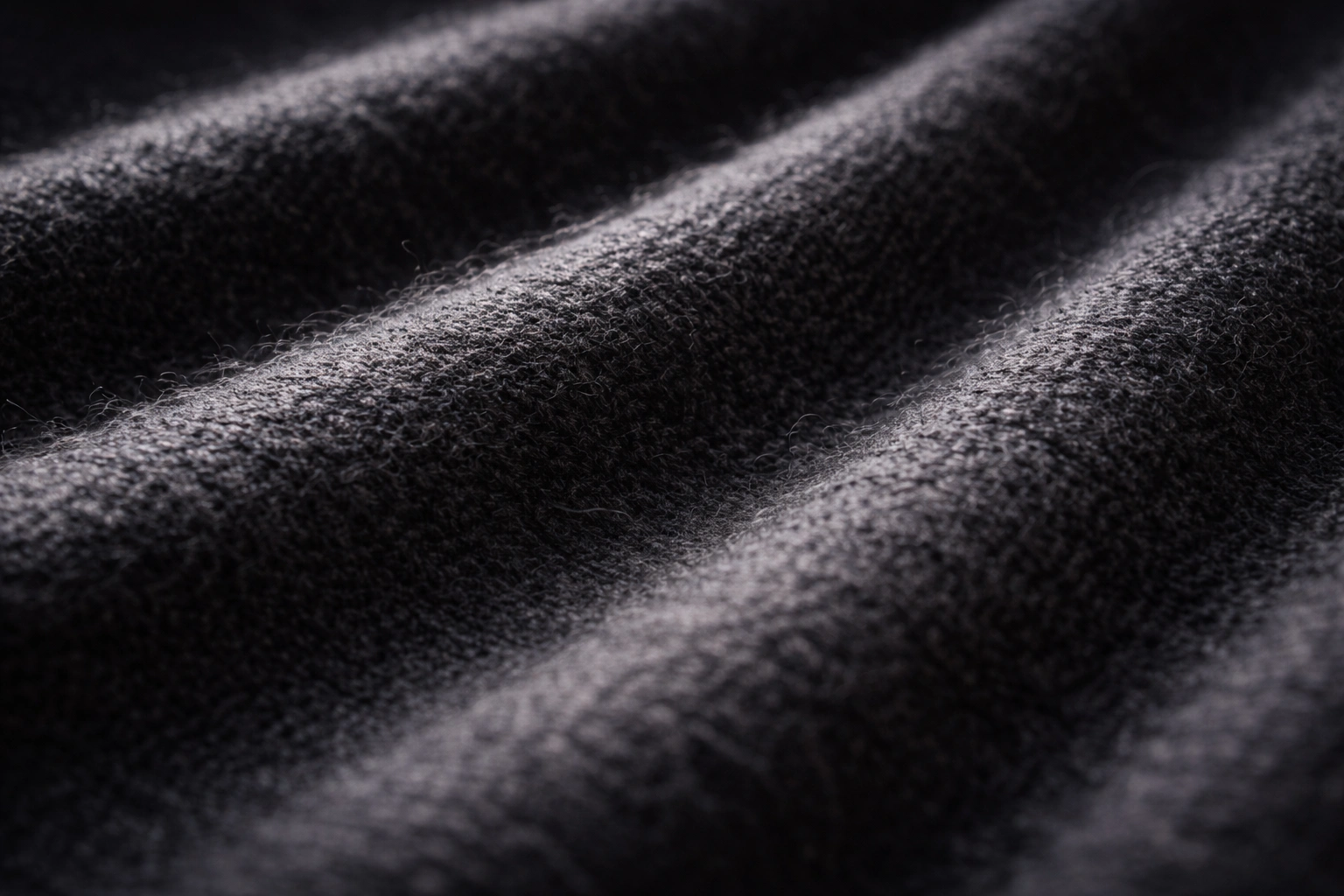
Authentic Kani shawls use pashmina, the ultrafine undercoat fiber from Changthangi goats raised in Ladakh’s high plateaus. The fiber measures just 12 to 15 microns in diameter, finer than human hair. Hand-spinning transforms raw fiber into yarn so fine it’s nearly invisible against certain backgrounds.
The spinning process takes exceptional skill. Too much twist makes the yarn stiff, too little causes it to break during weaving. Quality Pashmina yarn determines the Shawl’s final drape, warmth, and that characteristic cloud-like softness.
The process of Kani Shawl Weaving unfolds across five distinct stages, each demanding specialized skill and precision.
The Naqqaash begins with a visual design, perhaps a traditional Kashmiri paisley or a custom motif. They translate the image into talim code, calculating how each curved line and color gradient will manifest in the woven structure. Complex patterns might generate talim scripts hundreds of lines long, each line representing one pass of the weft threads.
A single miscalculation throws off the entire pattern. The work demands both artistic vision and mathematical precision.
Yarn arrives at the dyer’s workshop in its natural cream color. Traditional dyers use natural sources, indigo for blues, madder root for reds, pomegranate rind for yellows. The dyeing process requires careful temperature control and timing to achieve even, colorfast results.
After dyeing, yarn gets wound onto individual Kanis, with each color prepared in the quantities the talim specifies. The preparation stage can take weeks before weaving even begins.
The weaver begins by warping the loom, stretching hundreds of vertical threads at precise, even tension. The warp threads, typically undyed pashmina or fine wool, form the shawl’s structural foundation.
Setting up a loom for a full-size shawl can take several days. Every thread requires identical tension and spacing. The weaver positions the talim script at eye level, ready to consult with each row.
Here’s where Kani Shawl weaving becomes meditation and mathematics combined. The weaver reads one line of talim, selects the appropriate Kani, and passes it through the designated number of warp threads. Where one color area ends and another begins, the wefts interlock, each thread looping around its neighbor to prevent gaps.
A full shawl with intricate patterning can require six to twelve months of daily work. The weaver might complete just three to four inches per week.
Once off the loom, the Kani Shawl undergoes gentle washing to remove residual oils and relax the fibers into their final drape. Artisans inspect every inch for irregularities, though in handwoven work, slight variations aren’t flaws, they’re signatures of human hands. The edges get hand-finished, and the piece receives a final press.
At Kashmir Bloom, we believe the finishing stage reveals the shawl’s true character, when all those months of patient work transform into something you can wrap around your shoulders.

Kani is a weaving method, Pashmina is a fiber, and Jacquard is a loom type. You can have a Kani-woven Pashmina Shawl, or a Jacquard-woven Pashmina Shawl, or even a Kani-Woven Wool Shawl. The confusion arises because “Pashmina Shawl” has become shorthand for any soft Kashmiri Shawl, regardless of construction method.
A Jacquard loom can produce complex patterns quickly because the machine controls which threads lift and lower automatically. Kani Shawl weaving demands that a human hand make every single decision, pass every single thread, and check every single interlocking point.

Flip a Shawl over to spot the difference. If the pattern looks identical on both sides with no loose threads on the back, you’re likely looking at kani work. Jacquard-woven pieces typically show the pattern clearly on one side while the reverse displays loose threads connecting pattern areas.
The price of an authentic Kani Shawl reflects tangible, quantifiable factors.
When a Shawl requires 1,500 hours of skilled handwork, the mathematics becomes straightforward. Even at modest artisan wages, the labor cost alone runs into thousands. Complex patterns with numerous color changes demand even more time, as the weaver manages dozens of kanis simultaneously.
You’re not paying for fabric. You’re compensating someone for months of focused expertise.
Genuine Pashmina comes from Changthangi goats living above 14,000 feet in Ladakh. Each goat produces only three to four ounces of usable fiber annually. Herders collect the undercoat during spring molting season through gentle combing, not shearing.
Global demand far exceeds supply. The fiber’s scarcity naturally drives prices upward. Kashmir Bloom sources Pashmina through verified supply chains, ensuring both authenticity and ethical treatment of animals.
The Geographical Indication tag legally protects “Kani Shawl” as a product exclusively from Kashmir, woven using traditional methods. Obtaining GI certification requires documentation of origin, technique verification, and adherence to specific quality standards.
The certification adds value because it guarantees authenticity in a market flooded with imitations. Buyers gain confidence they’re acquiring the genuine article.
Learning to recognize real Kani work protects you from well-marketed imitations.
Hold the Shawl up to light and examine both sides carefully. Authentic Kani Shawl Weaving creates patterns that look virtually identical front and back, with colors interlocking seamlessly. You won’t see loose threads, knots, or a “wrong side” where pattern floats across the back.
Reversibility happens because Kani is a tapestry technique where threads interlock within the fabric structure itself, not applied afterward.
Gently spread the fabric and look at the thread density. Authentic Kani work shows extremely fine, tightly packed threads with no visible gaps. The weave feels substantial despite the fabric’s softness, with a certain body and structure that distinguishes it from loosely woven imitations.
Higher-quality pieces often have thread counts exceeding 80 to 100 threads per inch, creating that signature smooth, almost liquid texture.
Legitimate dealers provide documentation, a GI tag, certificate of authenticity, or detailed provenance information.
At Kashmir Bloom, every heirloom piece comes with complete documentation tracing its creation, including the weaver’s name, village, time invested, and fiber composition.
Transparency is standard practice, not exceptional. If a seller can’t or won’t provide information, consider it a warning sign.
Kani Shawls were made to last generations, though they ask for mindful treatment.

Kani Shawls tolerate gentle hand washing in cool water with pH-neutral soap, though many collectors prefer professional cleaning by specialists familiar with delicate handwoven textiles. Never wring or twist the fabric. Instead, press water out gently between towels and lay flat to dry away from direct heat or sunlight.
Avoid plastic bags or airtight containers, which trap moisture and prevent fibers from breathing. Acid-free tissue paper between folds prevents color transfer if you’re storing multiple pieces together. Keep Shawls away from direct sunlight, which fades natural dyes over time.
Avoid hanging them for long periods. The weight can distort the weave.
Take your Shawl out periodically. Textiles benefit from gentle handling and air circulation. If you’re storing a piece long-term, refold it every few months to redistribute stress points.
Consider having heirloom pieces professionally inspected every few years, especially if they show signs of fiber weakening or color fading. Preventive measures extend a shawl’s life from decades to centuries.

The craft faces both challenges and cautious optimism in contemporary Kashmir.
Younger generations increasingly choose education and urban employment over the loom, viewing weaving as economically uncertain despite its cultural prestige. A weaver might spend six months creating a masterpiece, only to struggle finding buyers willing to pay fairly for the time investment. Machine-made imitations flood the market at a fraction of the cost, confusing consumers and undermining authentic craftspeople.
While men traditionally dominated Kani Shawl weaving, women have always played crucial roles in yarn preparation, dyeing, and finishing work. Recently, some organizations have trained women in the full Kani Shawl weaving process, offering economic independence and preserving knowledge that might otherwise disappear.
Ethical brands increasingly connect weavers directly with end buyers, eliminating exploitative middlemen who historically captured most of the value.
At Kashmir Bloom, we work with identified artisan families, paying fairly for their time and skill while maintaining transparent pricing. When you purchase a kani shawl through transparent channels, you’re casting a vote for the craft’s future.
Kani Shawl weaving represents more than technique. It’s a conversation across centuries, carried forward by hands that learned from hands that learned from hands before them.
Our Stirchley location offers a rare opportunity to see authentic Kani work outside Kashmir, where you can examine the interlocking threads, feel the weight of months of labor, and understand why the pieces command reverence. We’ve created a space where you can take your time, ask questions, and experience textiles as they deserve, with attention and respect.
Our Heirloom Edit features one-of-one kani pieces, each with documented provenance and never to be reproduced. Book a private appointment to explore pieces that might become your family’s next heirloom, something you’ll one day pass to someone you love with the story of where it came from and the hands that made it.
The Talim is a coded notation system unique to Kani weaving that guides artisans thread by thread, similar to musical notation. While theoretically learnable, it requires deep cultural knowledge and is traditionally passed down through weaving families over generations.
A complete kani shawl typically requires several months of dedicated work, with complex patterns taking even longer. The intricate interlocking technique and detailed motifs demand patience and precision that cannot be rushed.
Authentic Kani Shawls use natural dyes that complement Pashmina’s delicate structure, while harsh synthetic dyes can weaken the fiber and affect its natural luster. Traditional dyeing methods preserve both color vibrancy and fiber integrity over time.
Custom Kani patterns can be commissioned directly through established weaving families in Kanihama or reputable dealers who work with authentic artisan communities. The process requires significant lead time and investment due to the bespoke nature of the craft.
A Kani Shawl is woven by hand on a traditional loom using wooden sticks called kanis. Each stick carries colored yarn, and artisans follow a coded pattern (Talim) to create intricate designs.
An original Kani Shawl is entirely handwoven on a loom using the Talim pattern system. The motifs are part of the weave, not stitched or printed. The design appears equally detailed on both sides, and the surface has a fine, raised texture, unlike flat machine-made imitations.
Pashmina is the fabric, a soft, luxurious wool, and Kani is the traditional hand-weaving method used to turn that wool into patterned shawls. All Kani shawls can be Pashmina, but not all Pashmina shawls are Kani.
Kani shawls are prized for their artistry and time. Each is handwoven from pure Pashmina by skilled Kashmiri artisans, requiring months of meticulous work, a reflection of heritage and precision.
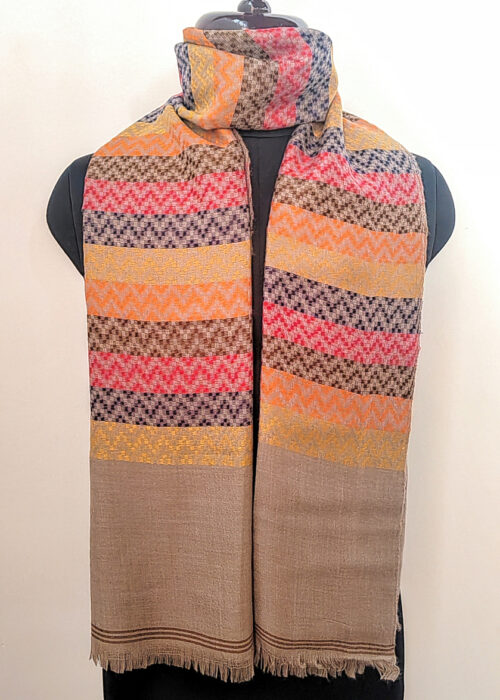
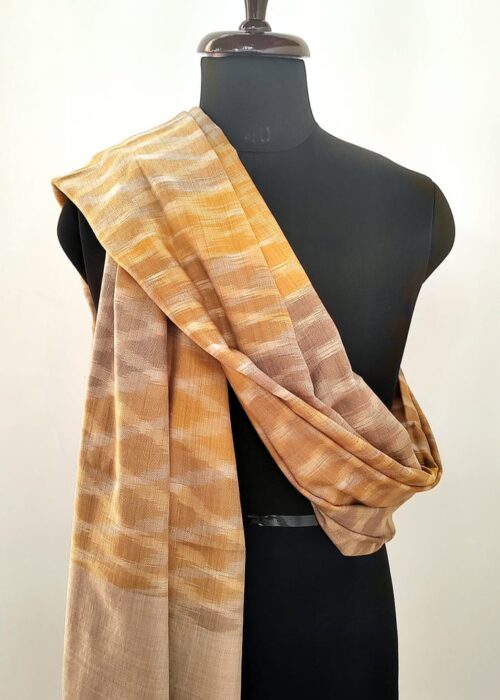
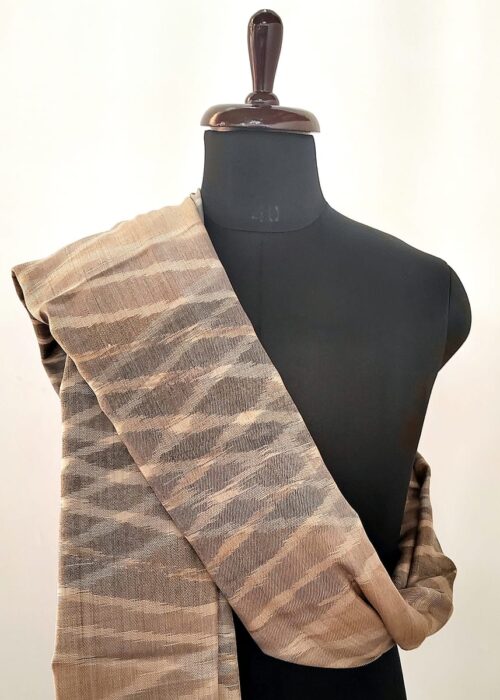
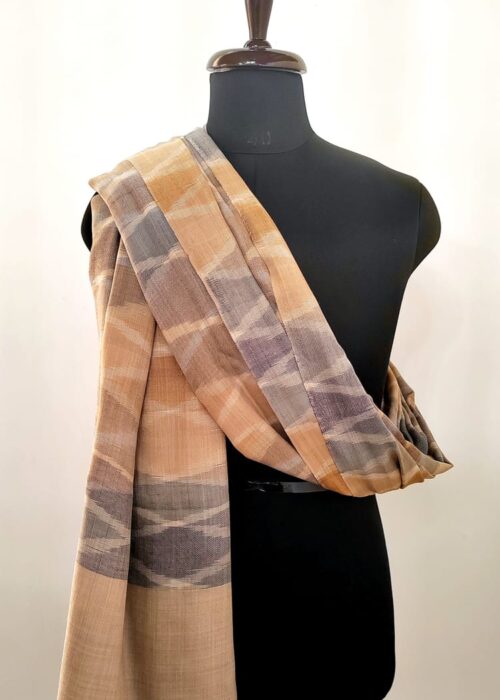
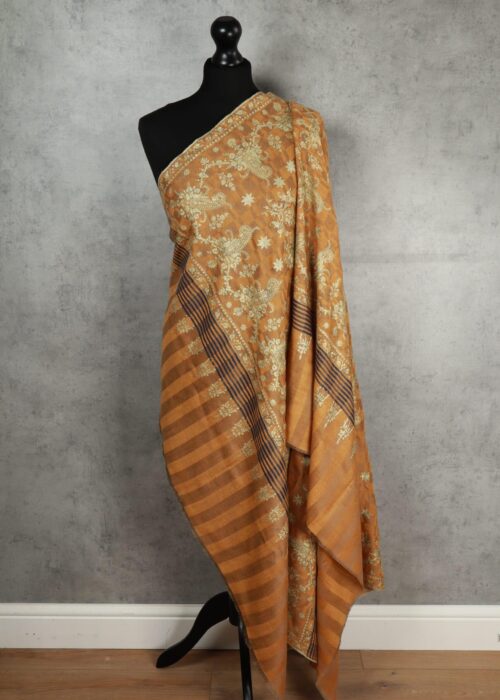
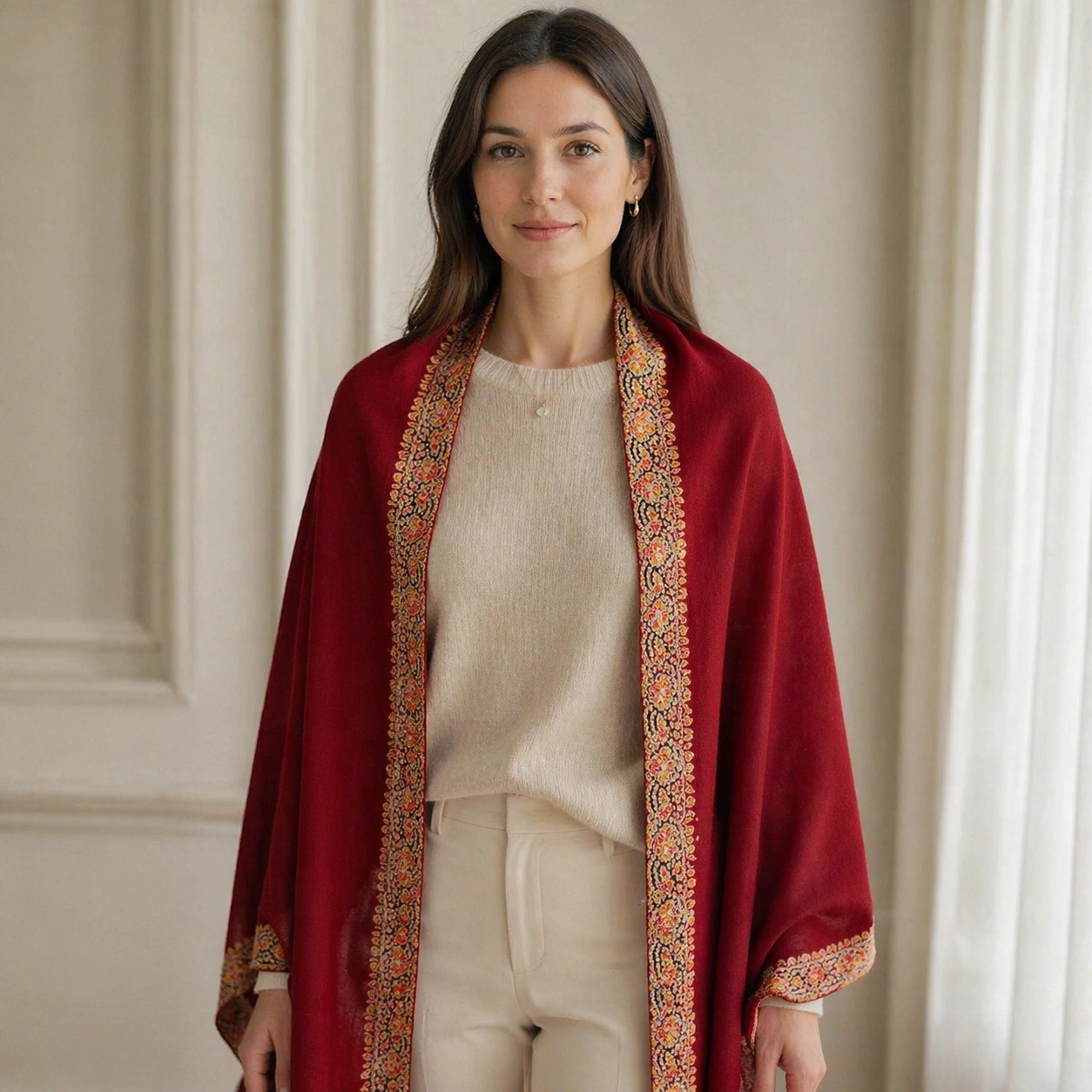
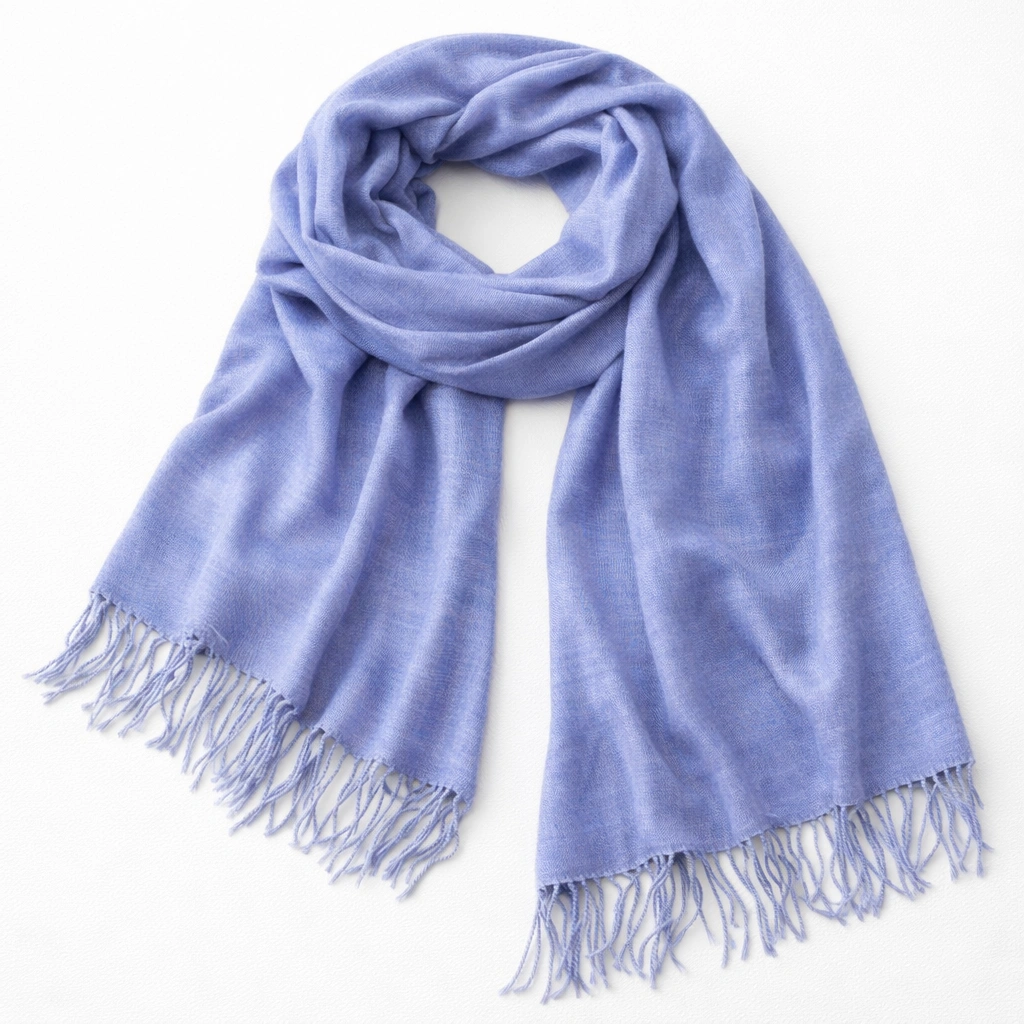
Pieces from the atelier that exemplify the craft, materials, and tradition described above.