Cashmere and pashmina begin with Capra hircus laniger, the mountain goat that produces an ultra fine undercoat measured in microns. True cashmere is defined by fibre diameter, staple length, and the removal of coarse guard hair through dehairing. Pashmina refers to fine grade Himalayan cashmere, traditionally hand spun and woven on artisanal looms. Micron count, yarn twist, and weaving density determine performance long before a label does. When clients ask why is cashmere so expensive, the answer starts at fibre biology, not branding.
The question why is cashmere so expensive is ultimately about limited yield, yield loss during processing, labour intensity, and market distortion. Consumers see prices from 50 dollars to over 1,000 dollars and wonder, is cashmere expensive because of hype or because of substance. At Kashmir Bloom, the position is clear. Transparency over trend. Craft over convenience. Understanding what makes cashmere expensive allows clients to decide if cashmere is worth the price based on fibre science and construction, not marketing language.
Why Is Cashmere So Expensive Compared to Other Wool?
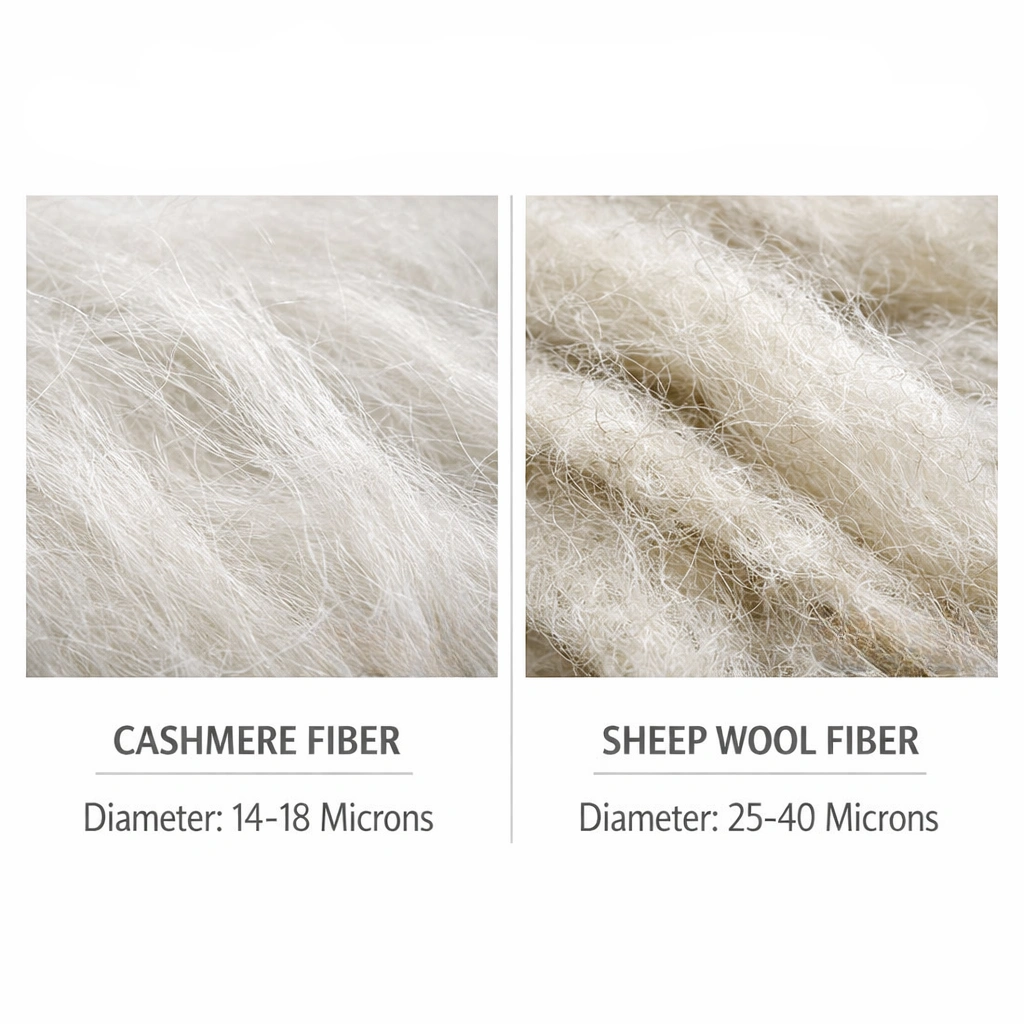
Cashmere differs from sheep wool at the biological level. Sheep produce fleece in large volumes annually. A single cashmere goat yields only 150 to 200 grams of usable underdown per year. That scarcity alone explains why is cashmere so expensive before it reaches a mill.
Cashmere Comes from the Undercoat, Not the Fleece
Only the fine insulating undercoat is collected during moulting season. Guard hairs must be removed. By contrast, sheep wool is shorn in kilograms per animal. When evaluating is cashmere wool expensive compared to merino, volume explains the difference. Limited yield drives base fibre cost upward.
Micron Count and Fibre Fineness
Luxury grade fibre measures 14 to 16 microns. Commercial cashmere may approach the regulated 19 micron average with up to 3 percent tolerance above 30 microns. Finer fibre increases softness but reduces yield and increases sorting time. This is one reason why is cashmere so expensive at the premium end. Softer fibre requires stricter grading and commands a higher cashmere price per kg.
Limited Geographic Viability
Cold, high altitude regions such as Ladakh, Inner Mongolia, and Kashmir produce the climate stress required for fine fibre growth. The harsher the winter, the finer the underdown. This fibre cannot be industrially farmed anywhere. Biology determines scarcity before fashion enters the equation, which clarifies why is cashmere expensive globally.
What Makes Cashmere Expensive at the Raw Fibre Level?
Once fibre is collected, processing begins to shape cost structure.
Manual Dehairing and Sorting
Dehairing removes coarse fibres to meet micron regulations. During cleaning and sorting, 30 to 40 percent of weight is lost. That waste directly affects cashmere price per kg. When asking what makes cashmere expensive, yield loss is a measurable factor.
Fibre Length and Pilling Resistance
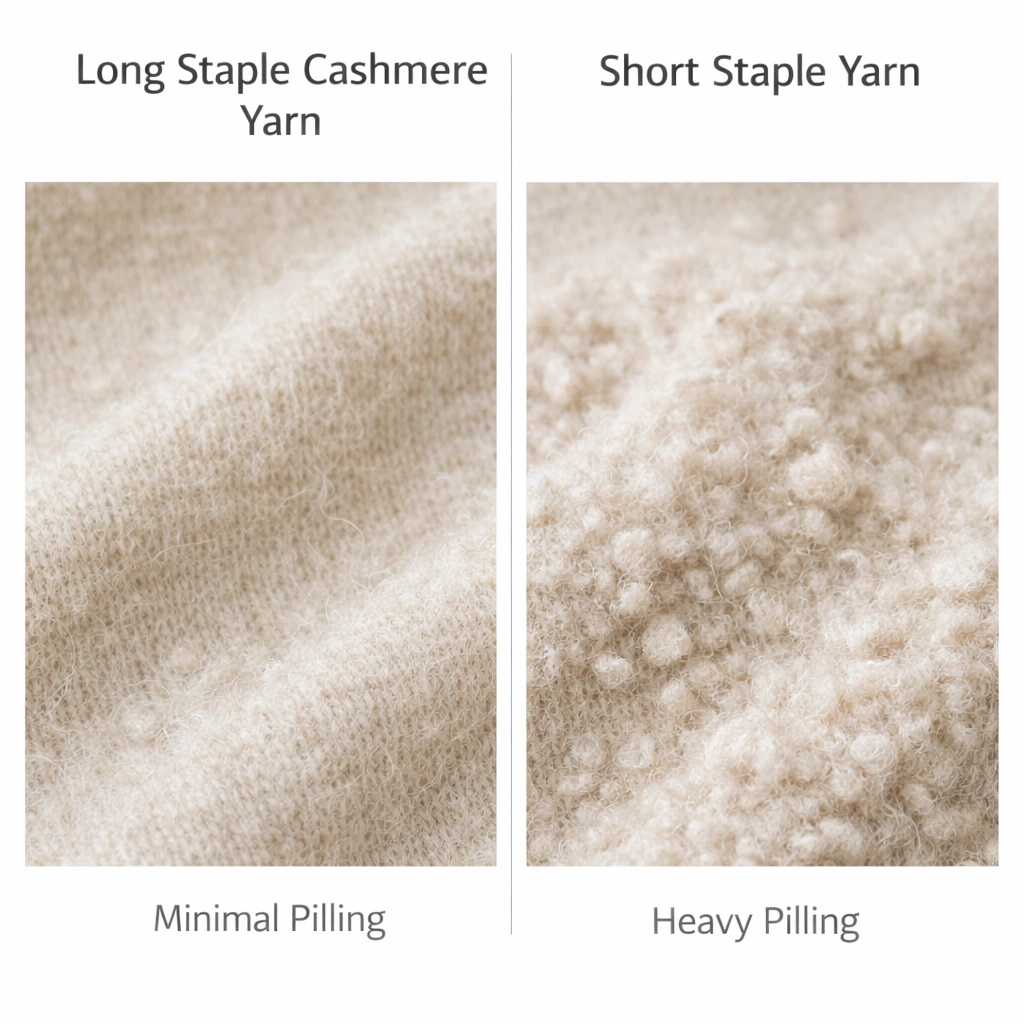
Staple length determines durability. Long staple fibres spin into stronger yarn with reduced pilling. Short fibres create weaker yarn and faster surface fuzzing. This explains why two garments labelled 100 percent cashmere feel different. Consumers questioning why are cashmere sweaters so expensive often overlook fibre length. Cheap short staple yarn reduces cost but increases long term wear issues. That difference shapes perceptions of whether cashmere expensive pieces are truly better.
Cashmere Price Per KG Explained
Raw white fibre commands the highest rate because it can be dyed consistently. Dark or contaminated fibre trades lower. Micron range, colour purity, and staple length form a grading hierarchy. Higher grades raise cashmere price per kg significantly. Understanding grading clarifies is cashmere expensive by nature or by quality tier.
Why Are Cashmere Sweaters So Expensive in Some Cases and Surprisingly Cheap in Others?
Retail price variation reflects fibre volume and garment engineering.
Knit Density and Garment Weight
You pay by weight. A 200 gram lightweight knit uses far less fibre than a 500 gram dense sweater. Loose knit construction reduces yarn usage and lowers cost. This is a central reason why are cashmere sweaters so expensive at the heavier end.
Blends vs 100 Percent Cashmere
A garment labelled with 10 percent cashmere can market softness while relying on cheaper fibres for structure. When blended, is cashmere wool expensive becomes a different question. Blends drastically reduce raw material cost while preserving the name.
Construction and Finishing
Fully fashioned knitwear links panels during knitting, reducing stress at seams. Cut and sew methods waste fabric and reduce structural integrity. Rib tension, yarn ply, and finishing determine drape and longevity. Price variance is not about authenticity alone. It reflects fibre grade, fibre volume, and construction quality. Recognising these variables helps answer why is cashmere so expensive and whether is cashmere worth the price in a specific garment.
Is Cashmere Expensive Because of Branding and Markup?
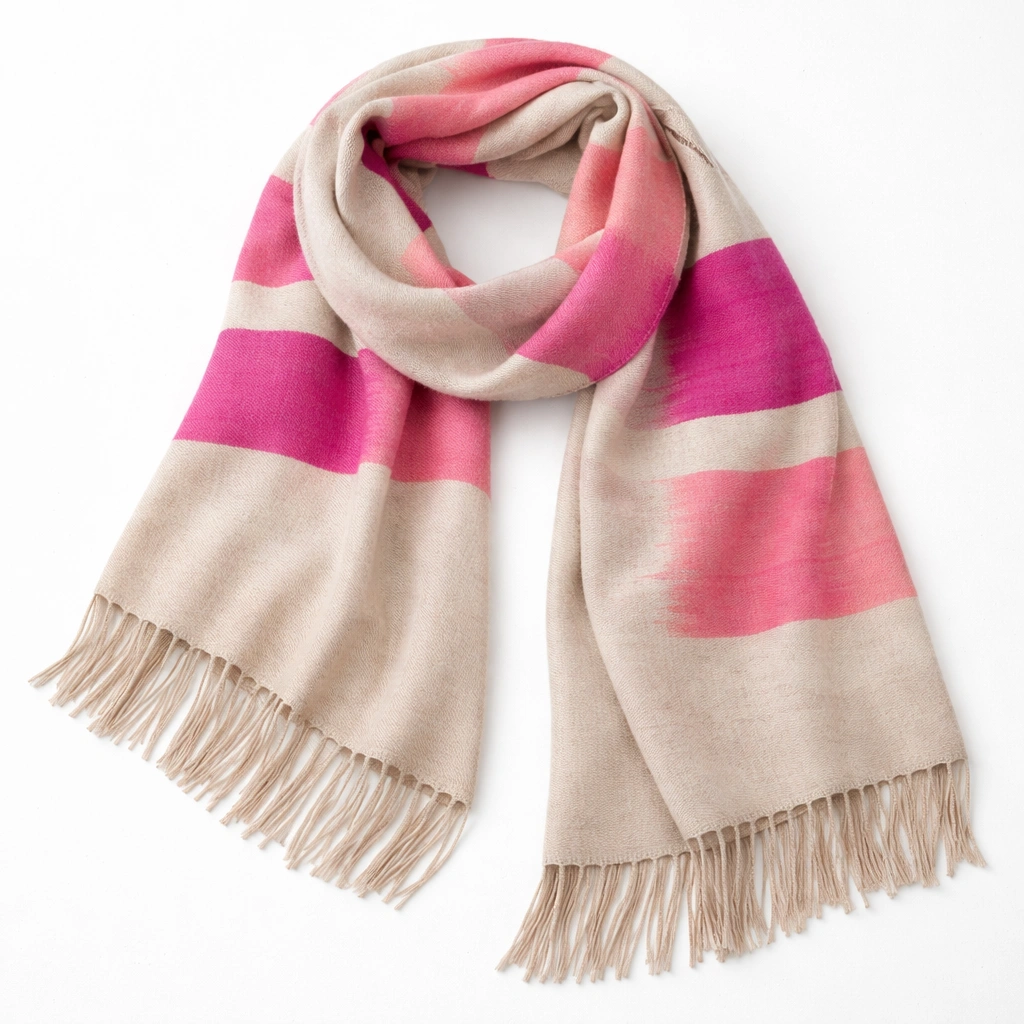
When consumers ask why is cashmere so expensive, they often assume branding is the main driver. In reality, pricing sits at the intersection of fibre grade, cashmere price per kg, construction, and retail positioning. Understanding markup structure helps clarify when cashmere expensive products reflect quality and when they reflect marketing.
Luxury Markups vs Fibre Cost Reality
Raw fibre is traded globally at fluctuating rates per kilogram. Once spun, dyed, knitted, and distributed, retail multipliers of four to eight times are common in luxury. In some cases, markup exceeds material value, which distorts perceptions of why is cashmere expensive. A garment may be priced high without corresponding fibre quality. This creates confusion around is cashmere expensive because of intrinsic scarcity or because of branding layers.
Fast Fashion’s Cashmere Expansion
The UK cashmere boom expanded access through high street retailers. Larger volumes required lower grade sourcing and lighter knit construction. This shift explains why are cashmere sweaters so expensive at one retailer and unexpectedly cheap at another. Commodification lowered entry prices but increased variability in fibre integrity. When production scales rapidly, what makes cashmere expensive becomes less about heritage and more about supply chain efficiency.
Supply Chain Transparency vs Opaque Sourcing
Direct artisan procurement differs fundamentally from mass manufacturing contracts. Transparent sourcing allows traceability of fibre grade, staple length, and processing standards. Opaque sourcing hides those variables behind labels. Not all high prices equal high quality. Not all low prices equal fraud. At Kashmir Bloom, direct procurement philosophy prioritises clarity over positioning, which addresses why is cashmere so expensive without relying on prestige alone.
Is Cashmere Worth the Price in Terms of Warmth and Longevity?
A separate question emerges beyond markup. Is cashmere worth the price when measured by thermal performance and lifespan rather than initial spend.
Thermal Efficiency Compared to Sheep Wool
Cashmere fibres possess a semi hollow core structure that traps air efficiently. The insulation to weight ratio exceeds most sheep wool varieties. This explains why a thin knit can feel warmer than a heavier merino sweater. When evaluating is cashmere wool expensive, thermal efficiency reframes the equation. Superior insulation per gram contributes to why is cashmere expensive in performance terms.
Durability When Properly Constructed
Longevity depends on yarn quality and knit architecture. Long fibre yarn resists abrasion, while short fibre yarn pills prematurely. Properly tensioned ribbing and stable seams extend garment life significantly. Consumers who question why are cashmere sweaters so expensive often underestimate lifespan variation. With correct care practices such as gentle washing and flat drying, high grade pieces maintain integrity for decades. This strengthens the argument that is cashmere worth the price when construction aligns with fibre quality.
Cost Per Wear Analysis
Consider an 80 dollar sweater lasting one year versus a 400 dollar heirloom lasting fifteen years. The annual cost of the heirloom becomes significantly lower. This shifts the focus from upfront cost to cost per wear. When viewed through this lens, cashmere expensive items may deliver higher long term value. The heirloom concept aligns with preservation over mass consumption, offering a practical answer to why is cashmere so expensive in enduring terms.
View our womens cashmere scarfs made for long term wear, not seasonal trends.
Why Is Himalayan and Handwoven Cashmere More Expensive?
Geography and technique introduce another layer of cost beyond fibre grading.
Hand Spinning vs Machine Spinning
Hand spinning allows precise twist control, preserving fibre loft and yarn elasticity. Machine spinning prioritises uniformity and speed. Controlled twist improves yarn integrity and drape. The additional labour increases production time, which contributes to why is cashmere so expensive in artisanal contexts.
Artisanal Weaving in Kashmir
Handloom weaving requires skilled artisans who manage loom density and tension manually. A single shawl may take weeks depending on weave complexity. Time investment increases labour allocation per piece. When clients ask is cashmere expensive in Himalayan production, the answer includes craft time as a measurable input.
Embroidery Tiers and Craft Labour
Sozni embroidery involves fine needlework executed over months. Multi month production cycles compound fibre cost with labour intensity. Here, labour multiplies cashmere price per kg several times over. This layered craftsmanship explains what makes cashmere expensive beyond raw material metrics.
How Can You Tell If Cashmere Is High Quality Before Buying?
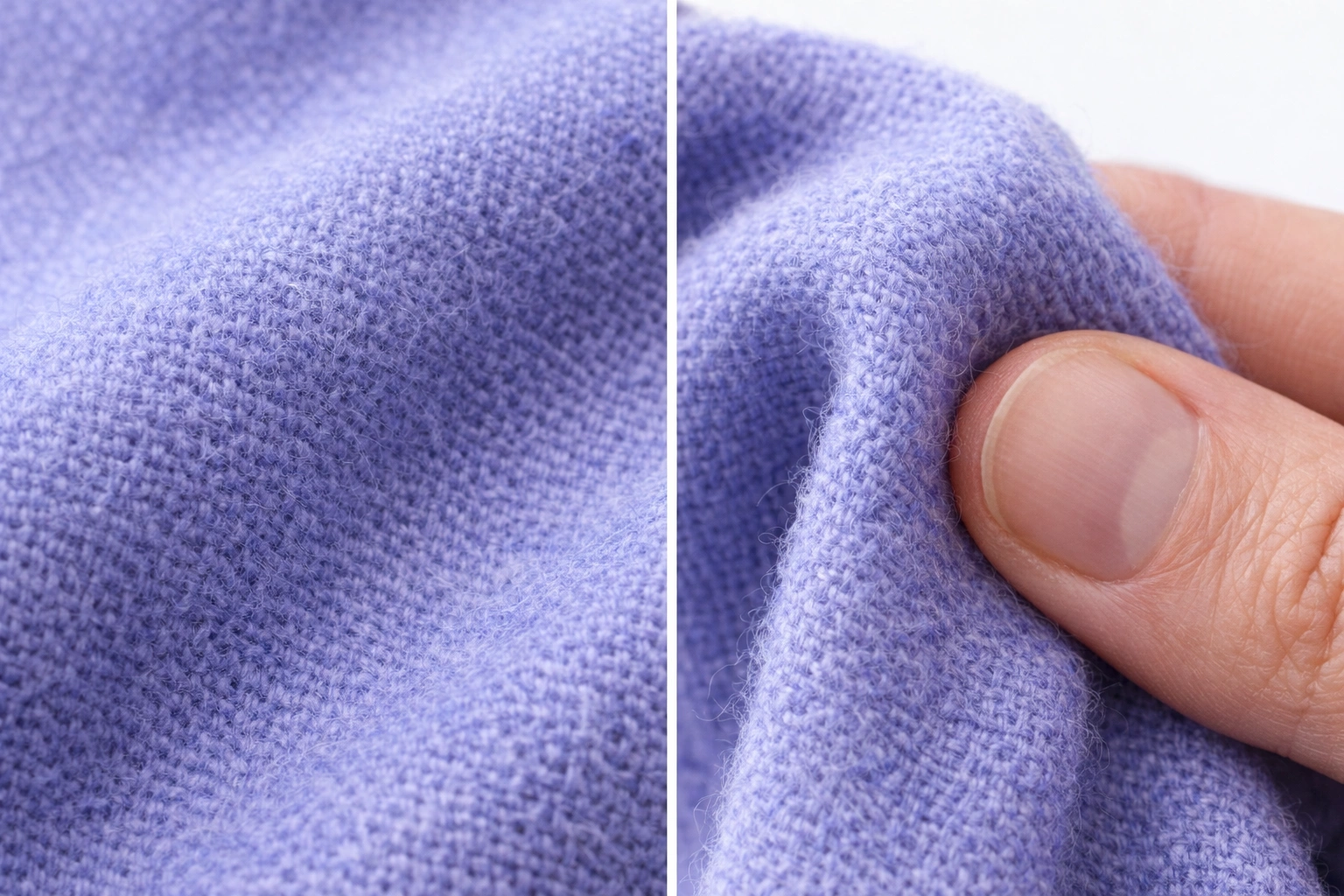
Consumers navigating wide price ranges need practical evaluation tools.
Touch, Recovery, and Density Tests
High quality cashmere feels cloud like yet substantial. When gently stretched, it should recover shape quickly. Dense knit indicates higher fibre volume. These tactile indicators clarify is cashmere expensive because of quality or simply branding.
Micron Disclosure and Transparency
Few brands disclose micron count. Transparency signals confidence in fibre grade. Without disclosure, assessing why is cashmere expensive becomes speculative. Clear communication supports informed purchasing decisions.
What Price Range Indicates Genuine Quality?
Entry level pieces often reflect lighter weight and commercial grade fibre. Mid tier garments balance grade and construction. Heirloom tier pieces incorporate superior fibre, dense knitting, and meticulous finishing. Addressing realistic price bands responds directly to consumer concern over why are cashmere sweaters so expensive across retailers. Understanding grading, construction, and sourcing together allows buyers to determine if cashmere worth the price for their intended use.
Cashmere refers to the dehaired undercoat fibre of Capra hircus goats, typically measuring under 19 microns in diameter. Fibre diameter, staple length, yarn count, ply construction and garment weight determine performance and longevity. Understanding these variables explains why is cashmere so expensive, and why is cashmere expensive across different price tiers.
Modern supply chains have expanded access, yet they have also blurred quality distinctions. Consumers often ask why are cashmere sweaters so expensive, while seeing wide price variation. The answer lies in fibre grading, yield per goat, and construction standards, not just branding.
Browse our handwoven cashmere scarves crafted with traditional techniques.
Why Has Cashmere Become Both More Accessible and More Confusing in the Modern Market?
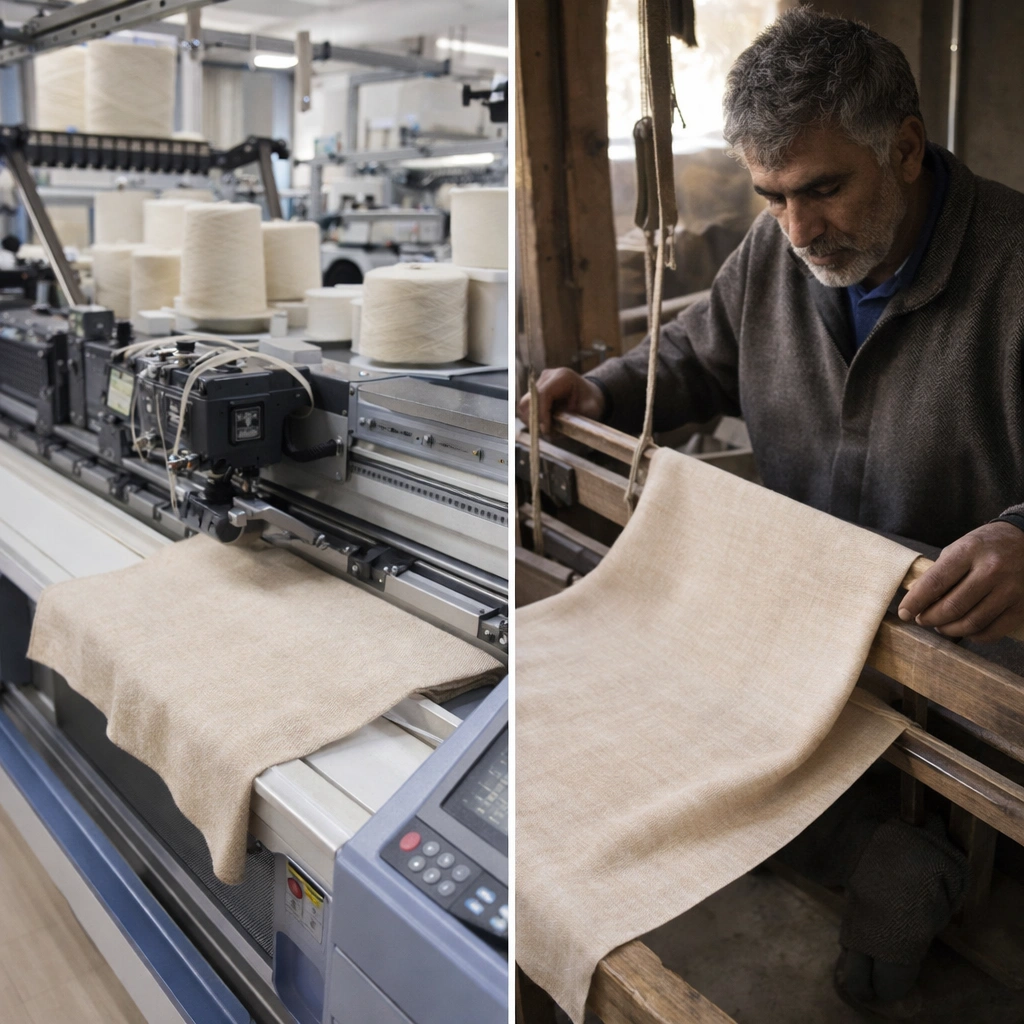
Global demand increased herd sizes in Mongolia and Inner Asia, while industrial knitting reduced retail prices. This shift fuels confusion around why is cashmere so expensive, and why is cashmere expensive at the luxury end.
Overgrazing and Fibre Quality Decline
Mongolia produces over 40 percent of the world’s raw cashmere. Overgrazing has increased fibre output but reduced average staple length and resilience. Shorter fibres pill faster, which impacts durability. When fibre micron creeps upward, softness declines even if labels read 100 percent cashmere. This degradation influences cashmere price per kg at source, and directly answers what makes cashmere expensive when premium lots are separated from bulk commodity fibre.
Environmental pressure also affects yield consistency. Scarcity of fine grade fibre reinforces why is cashmere wool expensive to produce in sustainable systems.
Industrial Scale vs Heritage Production
Industrial mills optimise volume and reduce garment weight to lower costs. A lightweight 12 gauge knit may use 250 grams of yarn, while heritage sweaters historically used 400 grams or more. Consumers question why are cashmere sweaters so expensive at higher weights, yet weight correlates with warmth and longevity.
Mass production compresses margins, creating tiers within the market. This makes cashmere expensive at the top end while entry products appear affordable. The structural difference explains is cashmere expensive in luxury ateliers compared to high street labels.
The Illusion of Affordable Luxury
Thin knits marketed as premium shift expectations. Many buyers ask is cashmere worth the price when a 100 percent label pills within a season. Fibre length and yarn ply matter more than the percentage alone. Paying attention to density clarifies why is cashmere so expensive when crafted properly.
From a macro perspective, rising global demand, climate volatility and grading disparities distort perception. These factors reinforce what makes cashmere expensive beyond marketing narratives.
Conclusion
Biological scarcity, precise fibre grading, labour intensive dehairing and skilled knitting underpin why is cashmere so expensive. Market distortion creates confusion, yet authentic production remains resource heavy. Kashmir Bloom aligns with preservation over mass production, supporting heirloom textiles rather than seasonal turnover. For those asking is cashmere worth the price, the answer depends on fibre integrity and construction. True investment pieces justify why is cashmere so expensive through longevity and structural quality.
Frequently Asked Questions
Is cashmere expensive compared to wool?
Yes. Limited yield per goat and finer micron grading make cashmere expensive relative to sheep wool.
Why is 100 percent cashmere so expensive?
Because only the finest undercoat fibres qualify, which increases cashmere price per kg and sorting labour.
Is cashmere wool expensive to produce?
Yes. Dehairing, grading and low yield explain why is cashmere wool expensive.
What makes cashmere more expensive than merino?
Finer micron range and lower annual output per animal drive why is cashmere expensive compared to merino.
Is cashmere worth the price?
High grade, dense knit garments often are. Quality determines whether cashmere expensive pieces last.
How much should I pay for a good cashmere sweater?
Expect to pay more for heavier gauge knits with long staple fibre.
What is the average cashmere price per kg?
Premium raw fibre can exceed several hundred dollars per kg, depending on grade.
Does expensive cashmere last longer?
Long staple, tightly spun yarn typically resists pilling and supports why are cashmere sweaters so expensive at higher tiers.