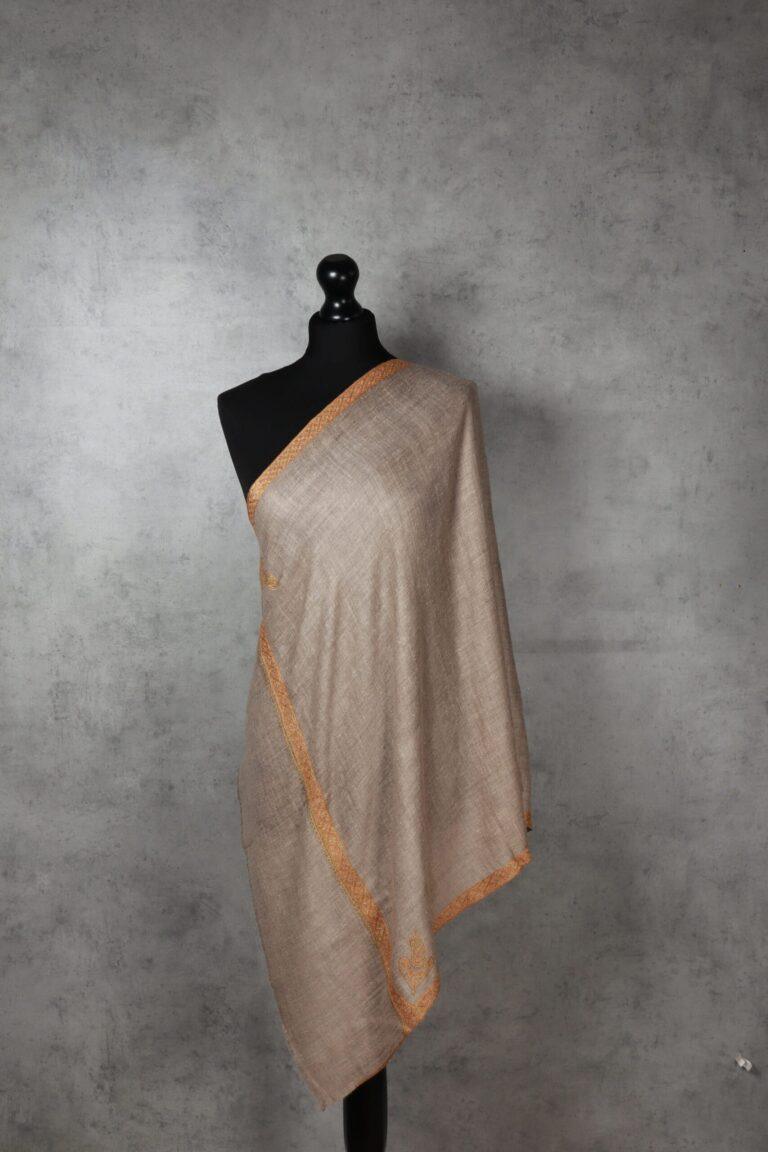
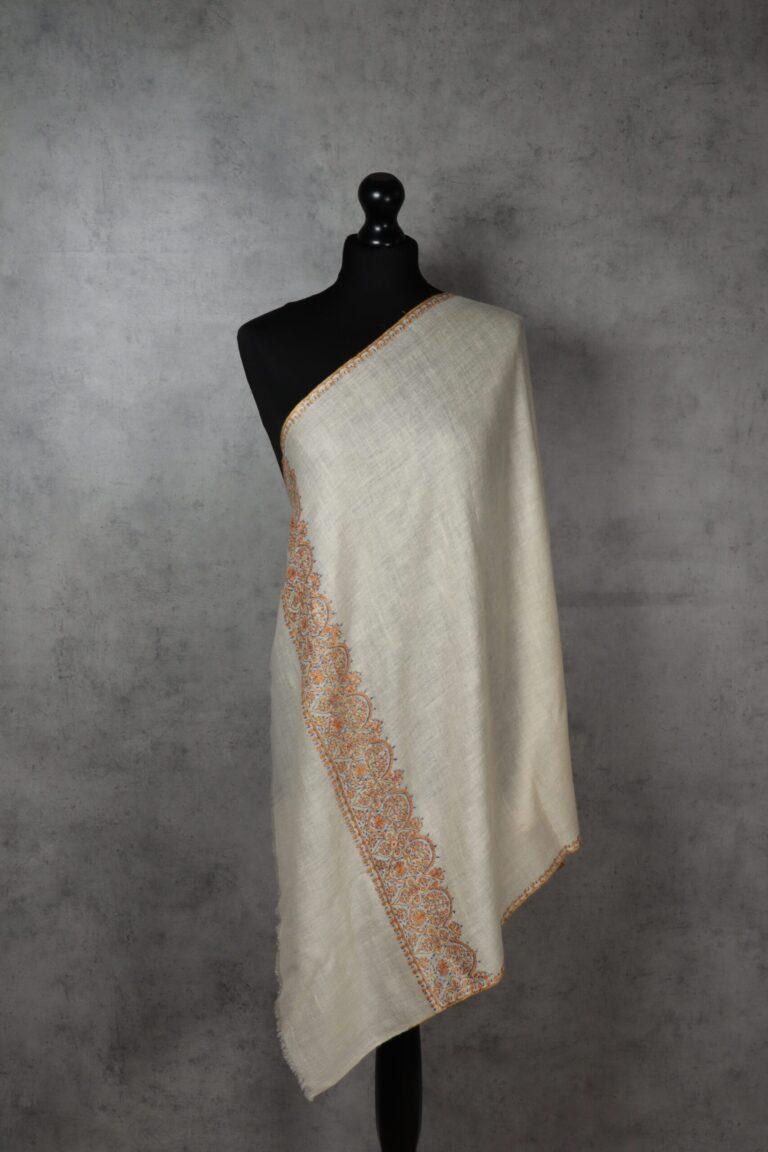
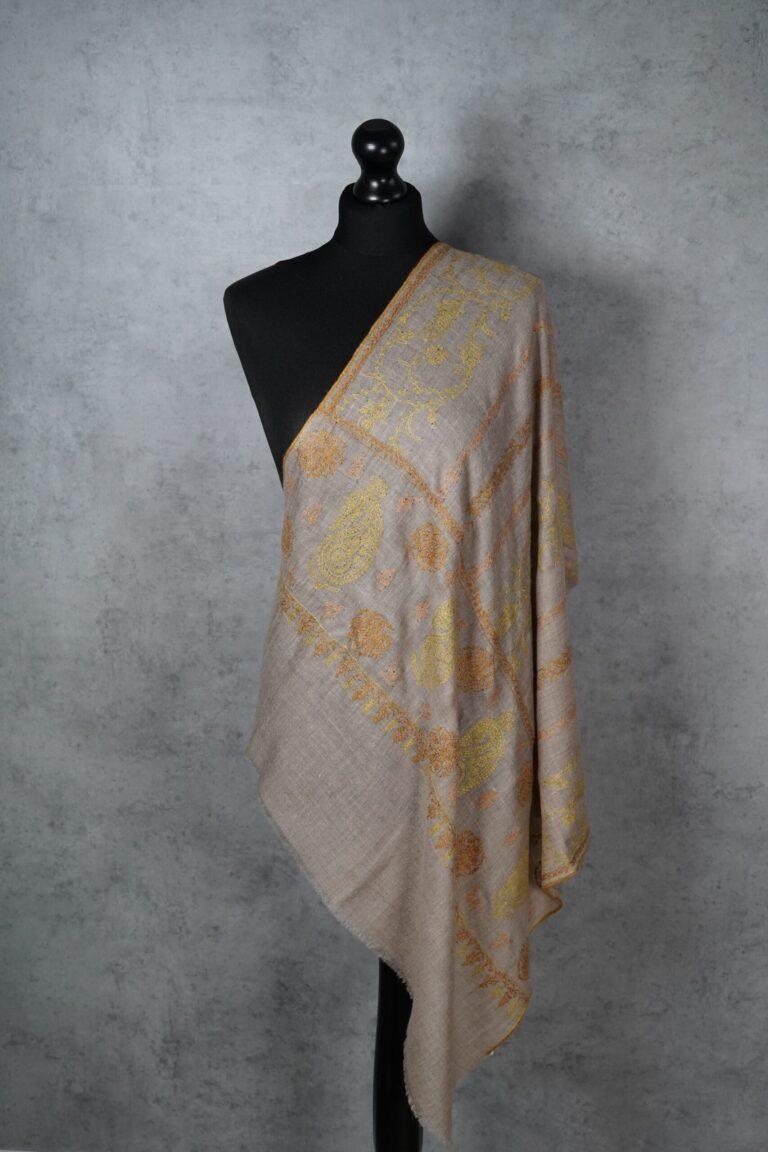
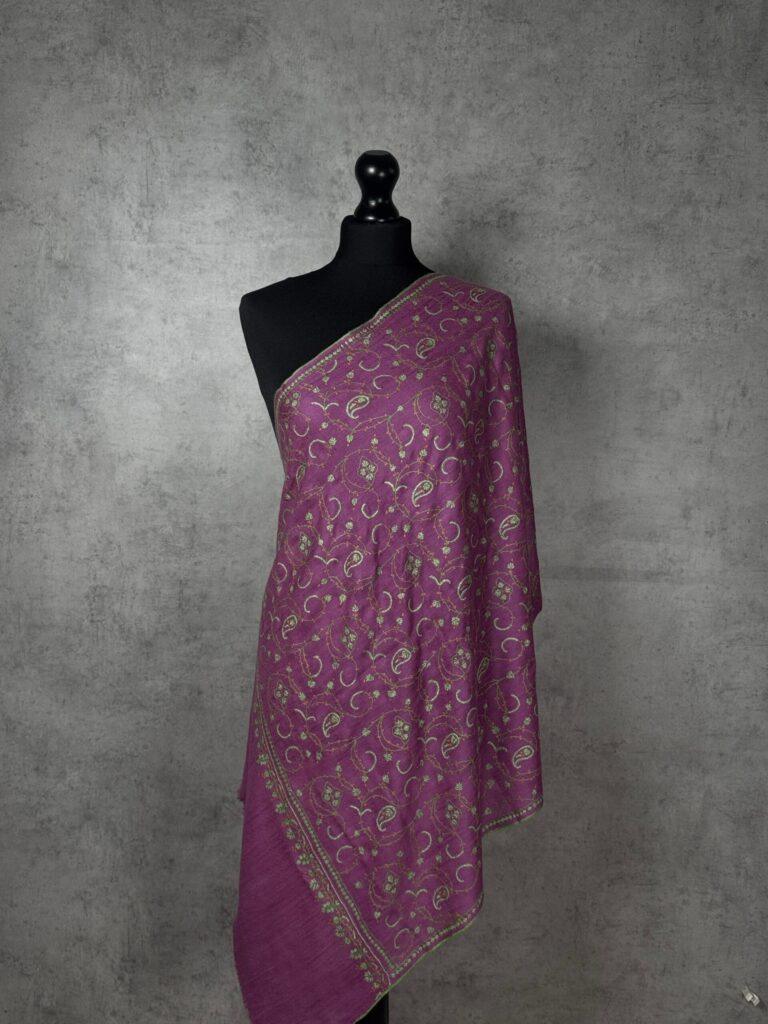
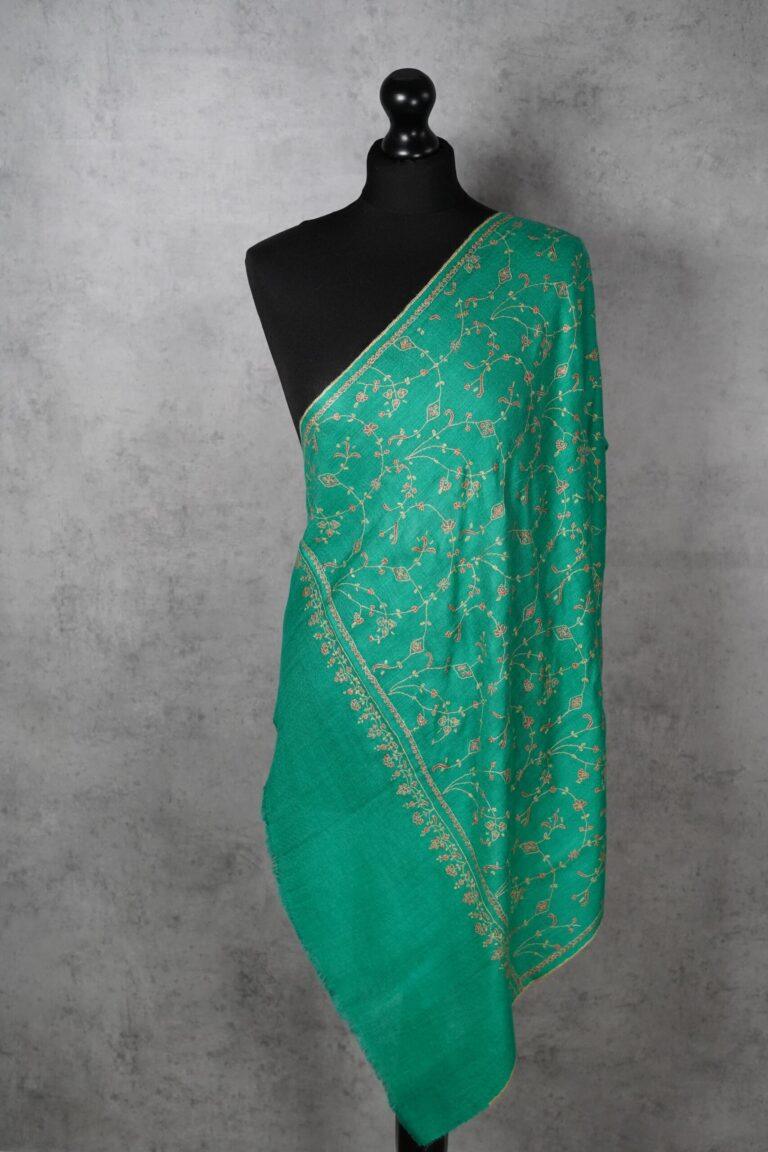
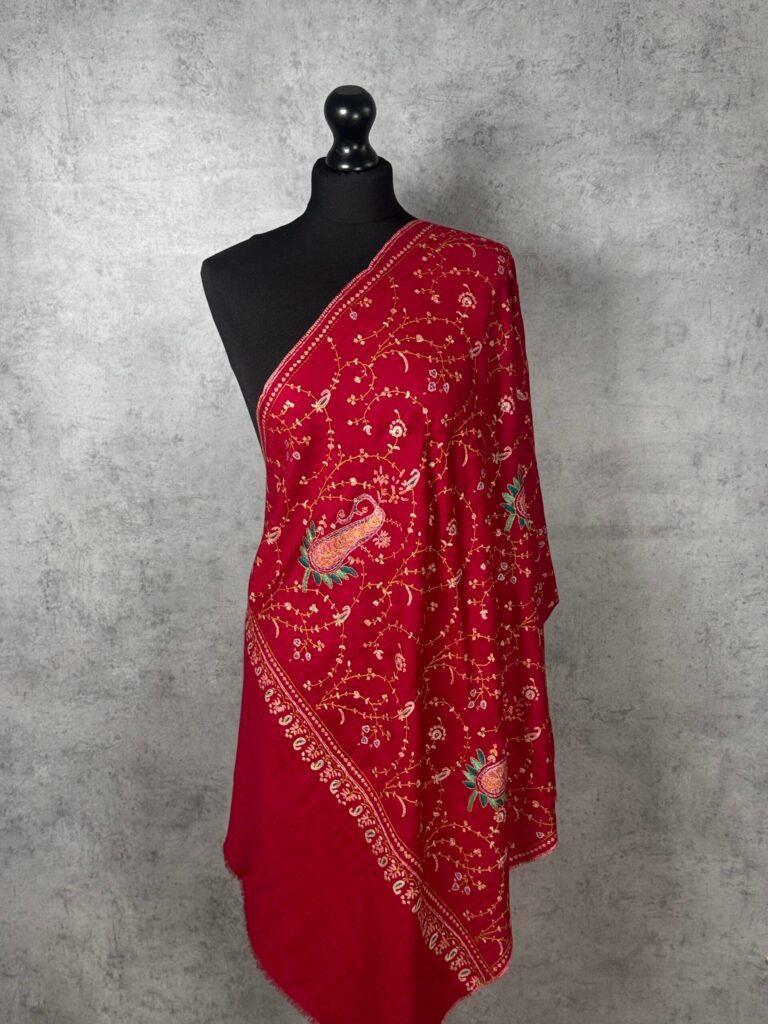
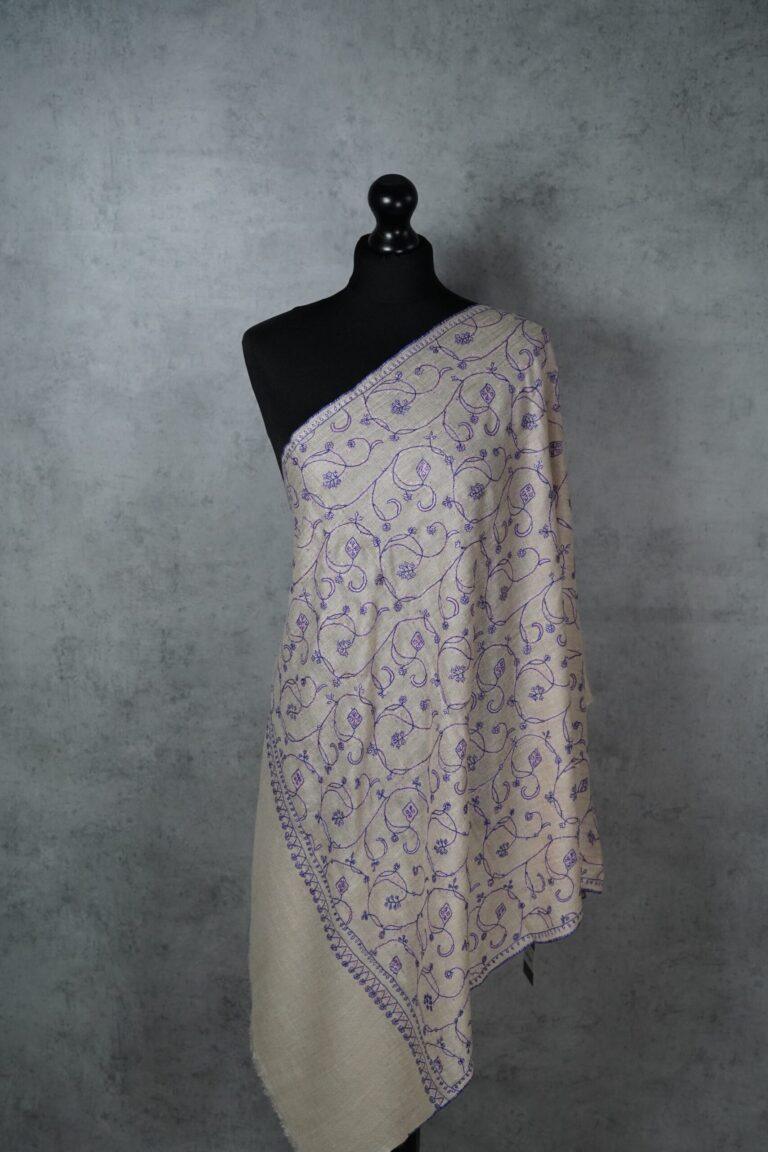
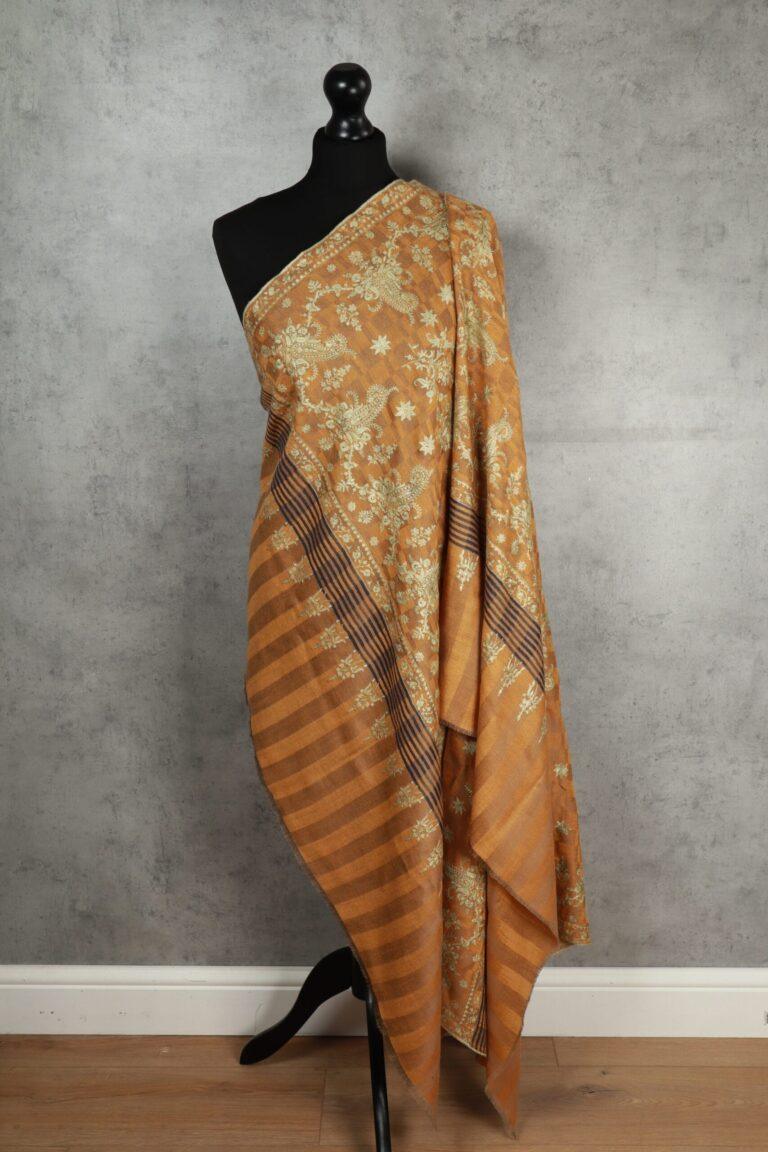
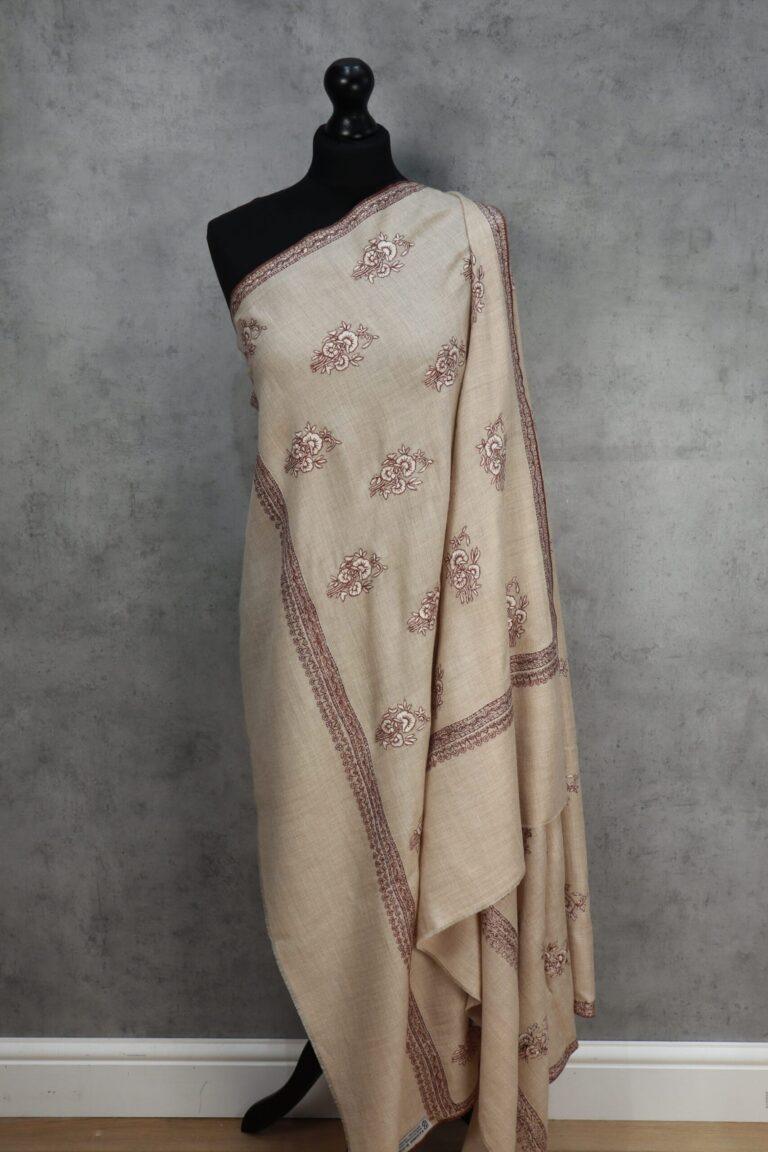
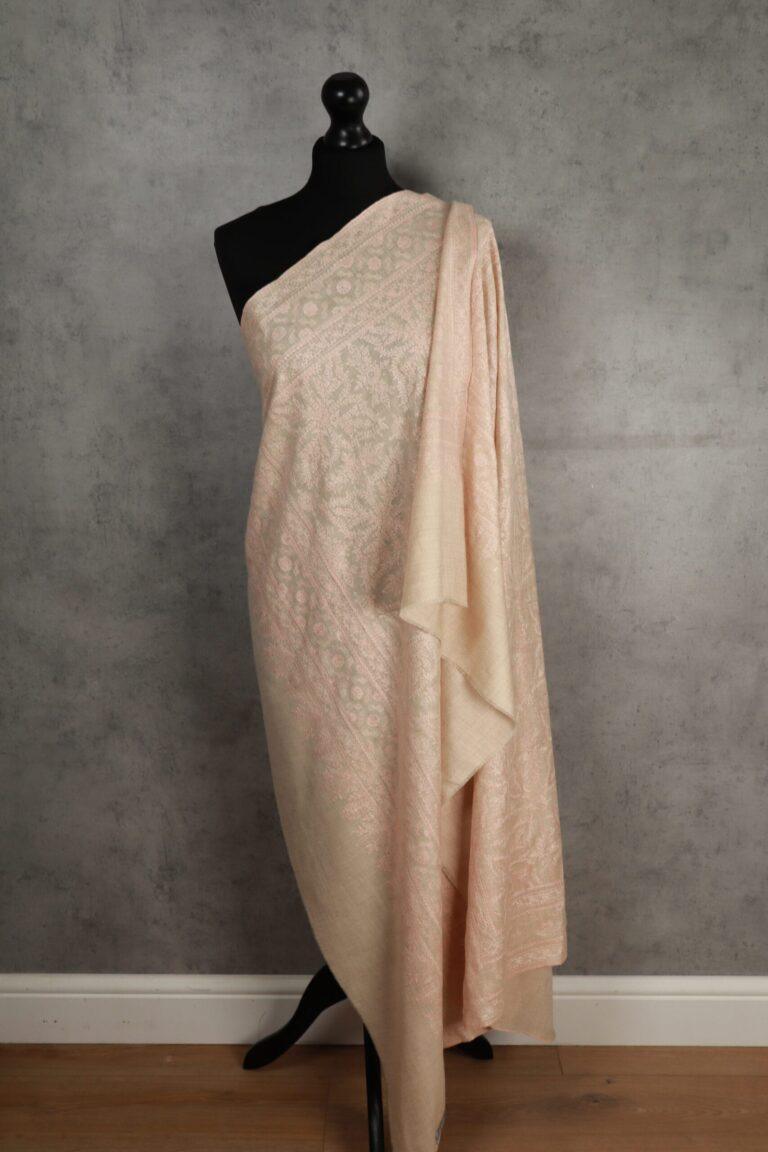
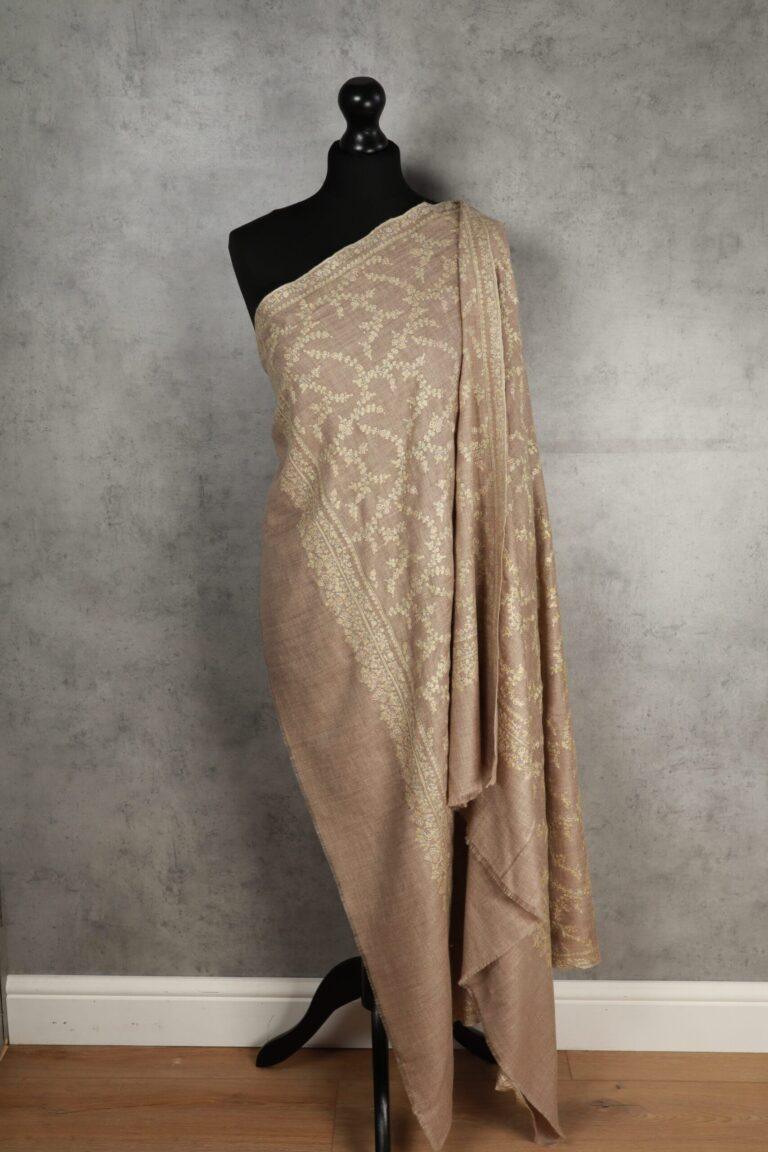
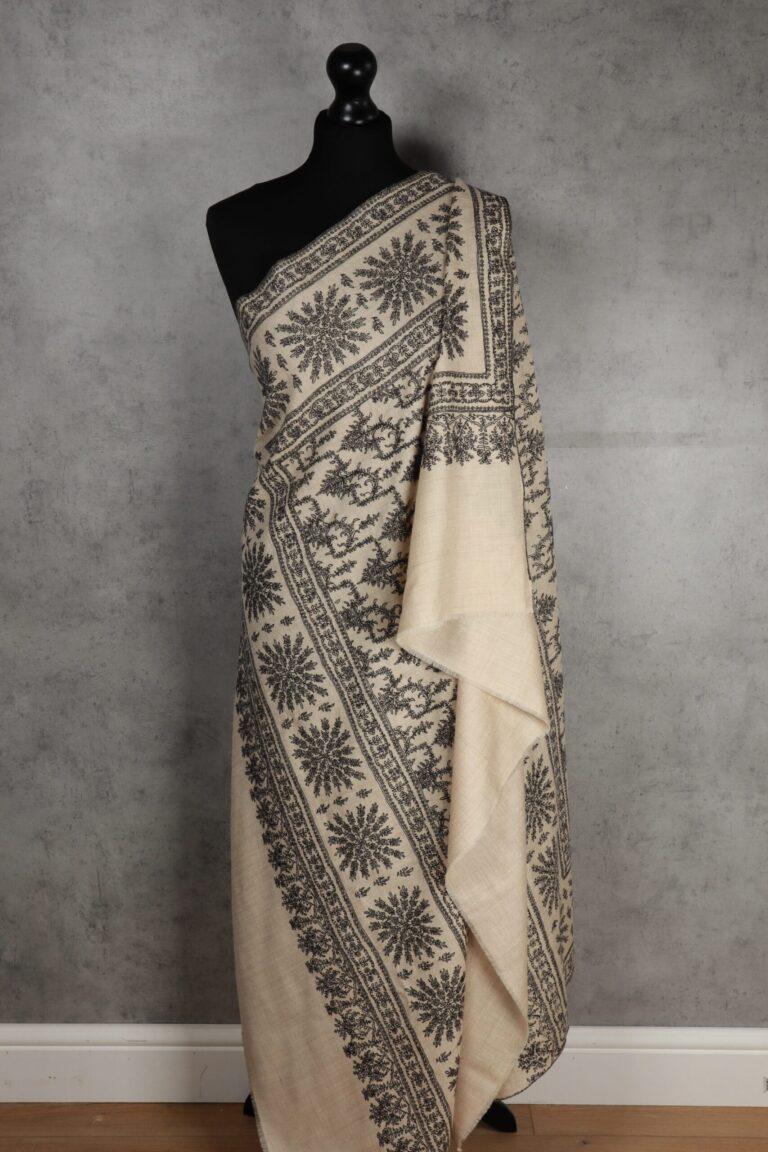
Born in the Himalayas. Woven in Kashmir. Carried for Generations.
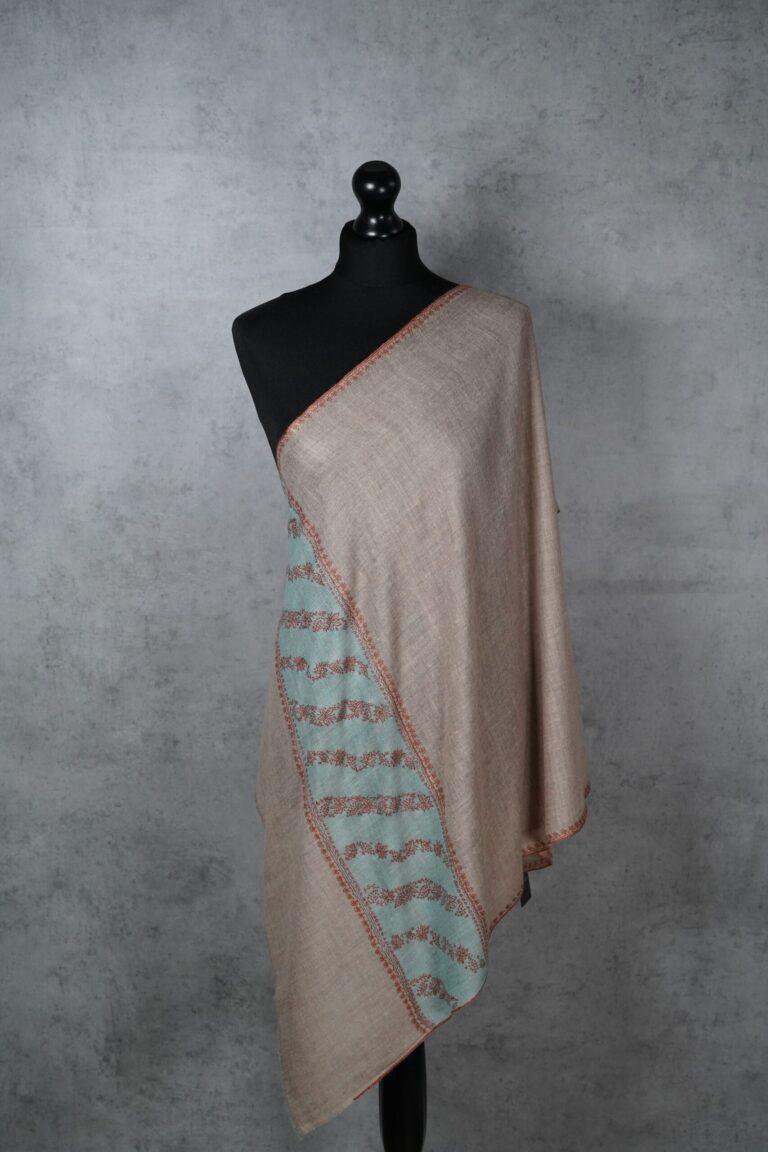
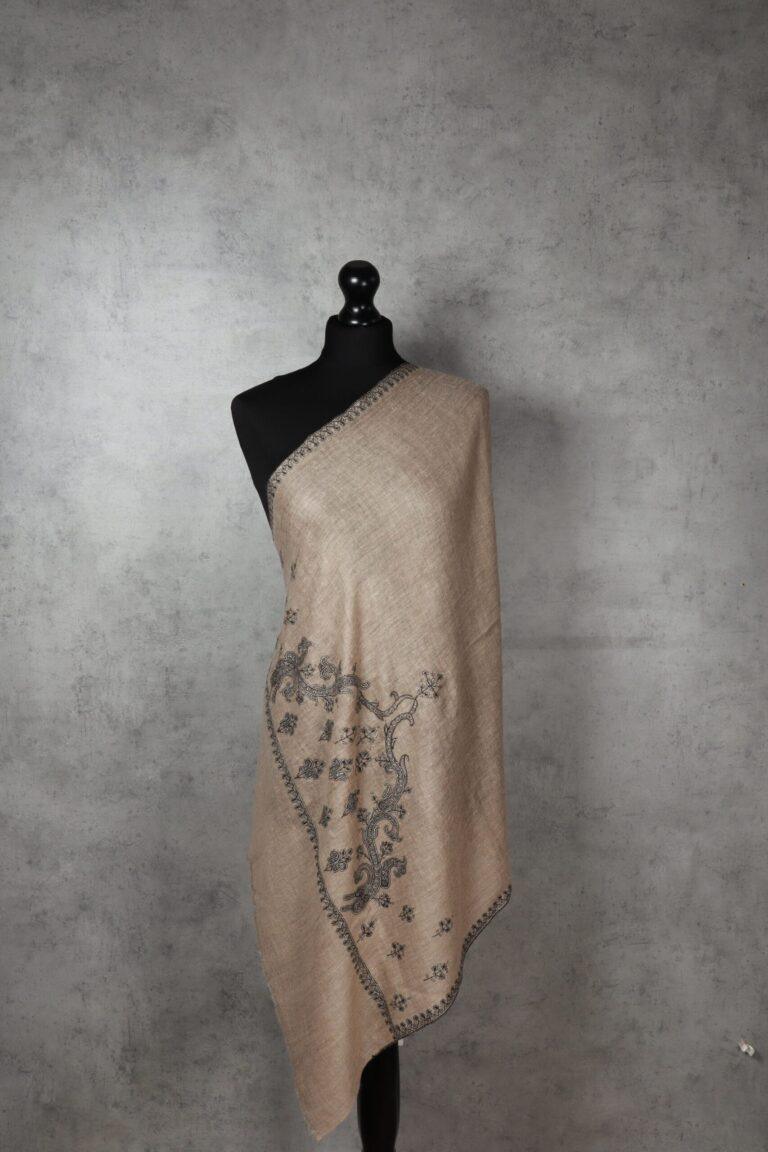
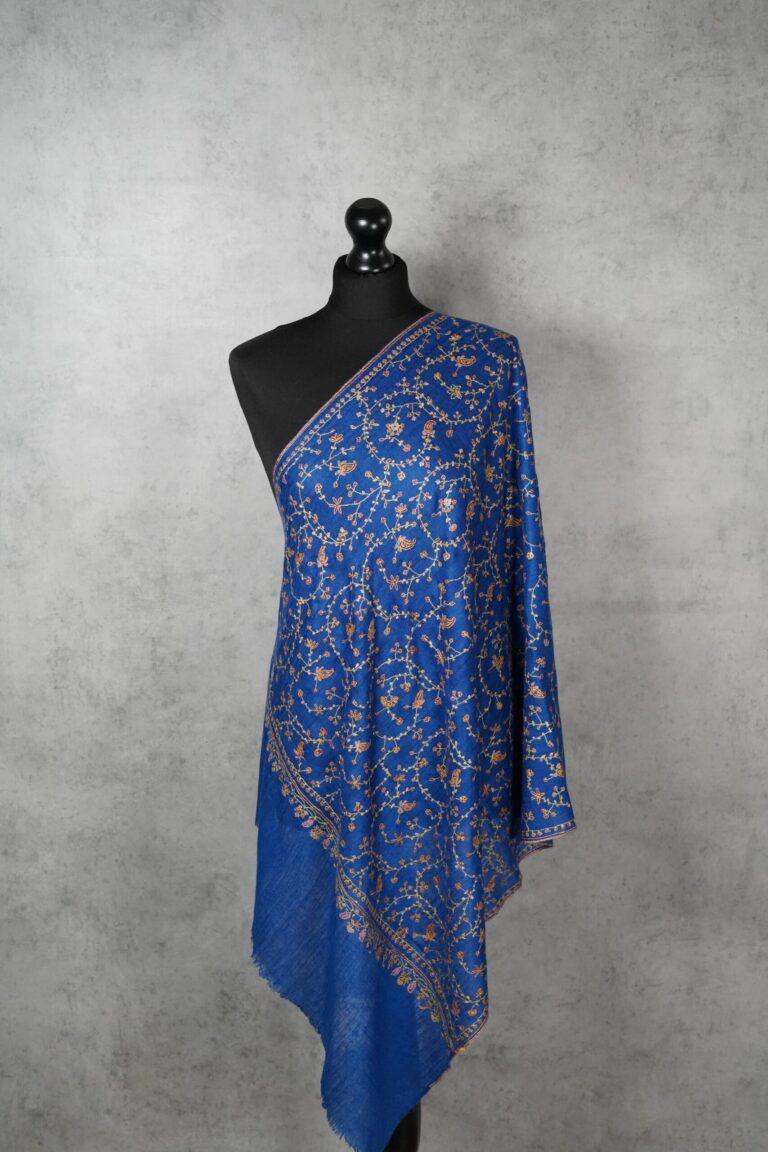
Each Heritage Pashmina is made from 100% Himalayan cashmere, hand-spun, hand-woven, and hand-embroidered by Kashmiri artisans. No machines, no shortcuts. Just truth, patience, and mastery.
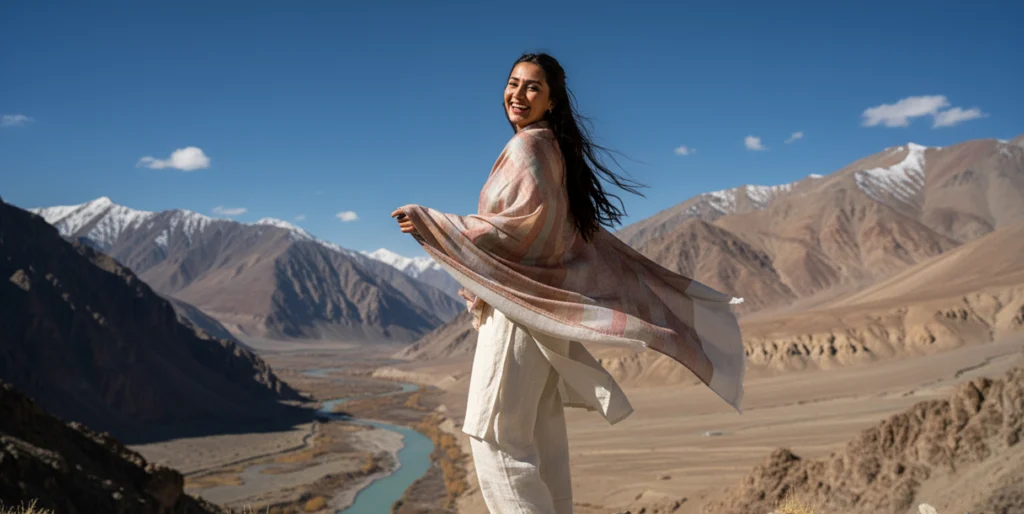
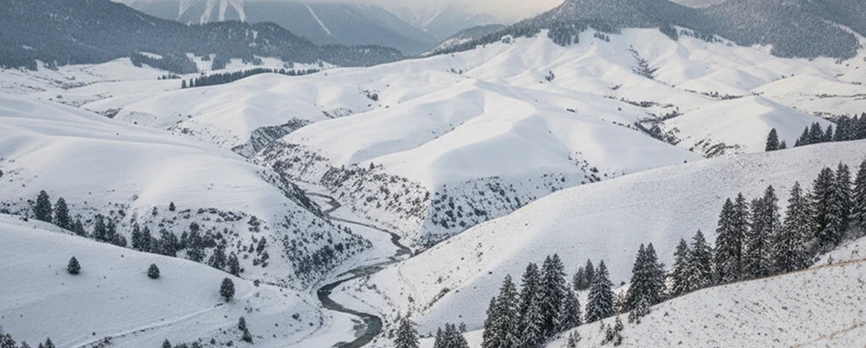
High in Ladakh’s rarefied air, the Changthangi goat grows a fleece unlike any other — the source of the world’s softest cashmere.
Each spring, it is combed by hand and carried down into the valley, where women spin the fibres on ancient yenders, shaping strands thinner than silk.
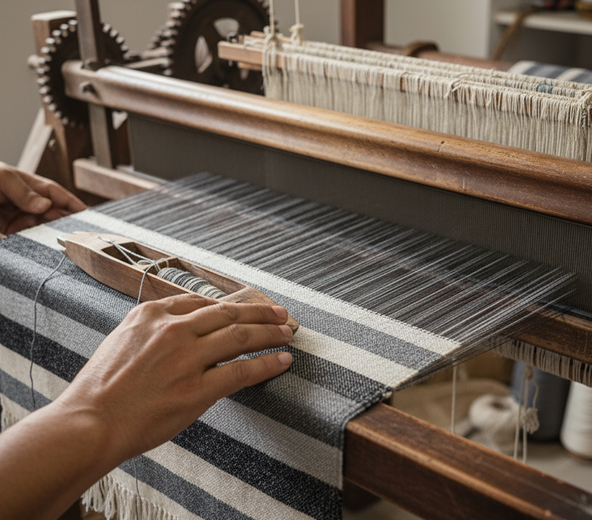
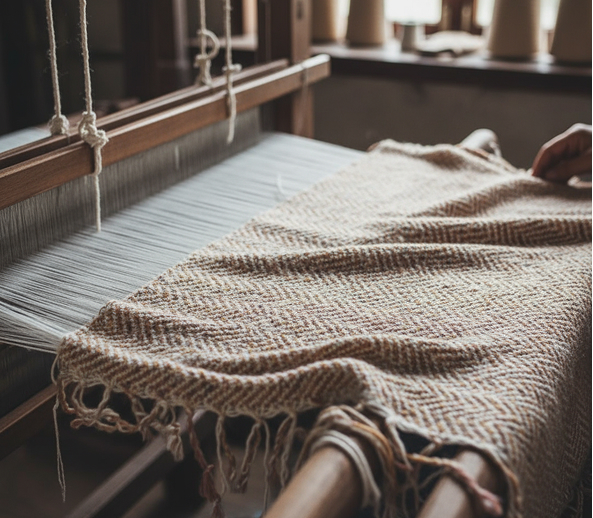
Once spun, the yarn meets the wooden looms of Srinagar. There, under measured rhythm, warp meets weft, and what began as fleece becomes fabric.
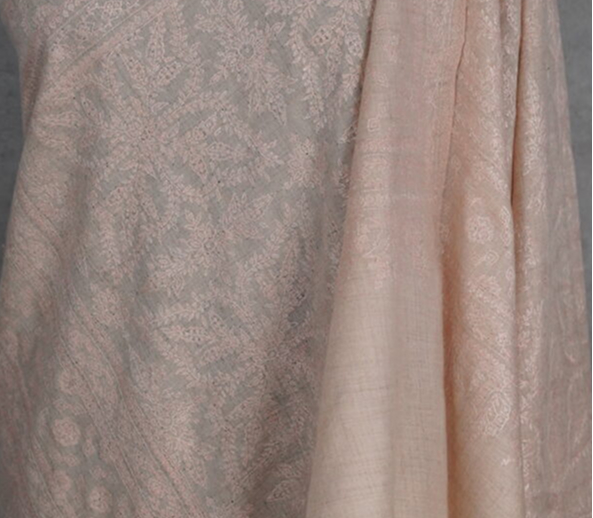
In the stillness of winter, that fabric is brought to life by embroidery — a dance of needle and thread that can take months.
No two shawls are ever alike. Each bears the imprint of its maker — a legacy of touch, precision, and devotion.
A Tradition of Truth
In an age of imitation, Heritage Pashmina™ stands for clarity. Each piece carries its true story — from Ladakhi goat to Kashmiri artisan — without embellishment or omission.
No hidden blends. No borrowed words. Every label is a promise: 100% Pashmina. Handcrafted in Kashmir.
Our Transparency
At Kashmir Bloom, we believe that heritage without honesty is hollow. Our promise is simple: we tell the truth about every thread.
Heritage Pashmina™ is reserved solely for shawls and scarves made from 100% Himalayan cashmere, derived from the Changthangi goat. Each piece is hand-spun, handwoven, and hand-embroidered in Kashmir. No blends, no machine weaving, no vague labelling.
Every Heritage Pashmina™ label represents our trademark of integrity — a quiet assurance that what you hold is genuine.
“Luxury begins with clarity. We name what we weave.”
We never use the word Pashmina for anything less. If a shawl is crafted from Pure Cashmere, or a wool–silk blend, we say so, and celebrate it for what it is. Transparency isn’t an option — it’s our foundation.
Why it matters
Integrity – Because true heritage thrives only in truth.
Choice – Because you deserve to know what touches your skin.
Respect – Because every fibre carries a lineage worth naming.
To us, transparency isn’t a policy. It’s a practice — one that honours the artisans, the fibres, and the centuries-old trust between maker and wearer.
Craft in Kashmir is not an industry; it is a rhythm of life. Artisans weave to the cadence of the seasons, spinning in spring, dyeing in summer, and embroidering in winter.
Every shawl is a dialogue between hand and nature, between patience and precision.
To own a Heritage Pashmina™ is to inherit that rhythm, the hum of a loom, the warmth of a kangri, the silence between stitches.
At the heart of each Heritage Pashmina™ is an unwavering commitment to craftsmanship. Weaving centuries of tradition into every piece, our shawls are crafted from 100% Himalayan cashmere by skilled Kashmiri artisans—no machines, no shortcuts—just pure dedication to quality.
Spinning
The journey begins with the delicate spinning of the finest cashmere fibers. In this meticulous process, each strand is hand-spun into yarn, ensuring an unmatched softness and strength that will stand the test of time.
Handweaving
The artisan’s hands bring the yarn to life through the ancient technique of hand-weaving. Using time-honored tools, the weaver’s patience and precision transform the threads into a luxurious fabric with unmatched texture and depth.
Embroidery
The artisan’s hands breathe life into fabric through the timeless art of embroidery. With meticulous care and traditional tools, each stitch is placed with precision, creating intricate patterns rich in texture, depth, and character.
Each Heritage Pashmina™ is a tribute to the time, skill, and love woven into every step, preserving the legacy of a craft that spans millennia.
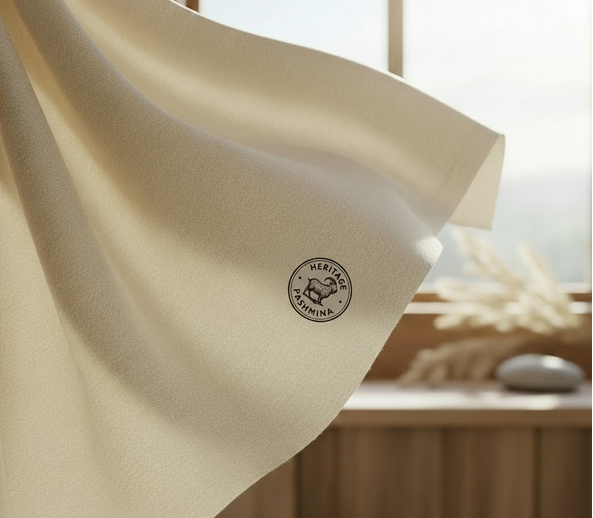
Our Mark of Heritage
Our mark is a quiet signature — proof that your piece was hand-spun and woven in Kashmir from pure Ladakhi cashmere. A whisper of authenticity in a world of noise.