Not all cashmere is created equal. If you have ever held two pieces labelled “cashmere” and wondered why one felt like a cloud and the other scratched at your skin, the answer lies in something most brands never talk about: the grades of cashmere.
Understanding cashmere grades is one of the most useful things you can do before investing in any cashmere piece. It tells you what you are actually buying, whether the price is justified, and whether what you hold in your hands will last a season or a lifetime. This guide walks you through every grade from the lowest to the finest, what each one means in practice, and what to look for when choosing a piece worth keeping.
What Are the Grades of Cashmere?
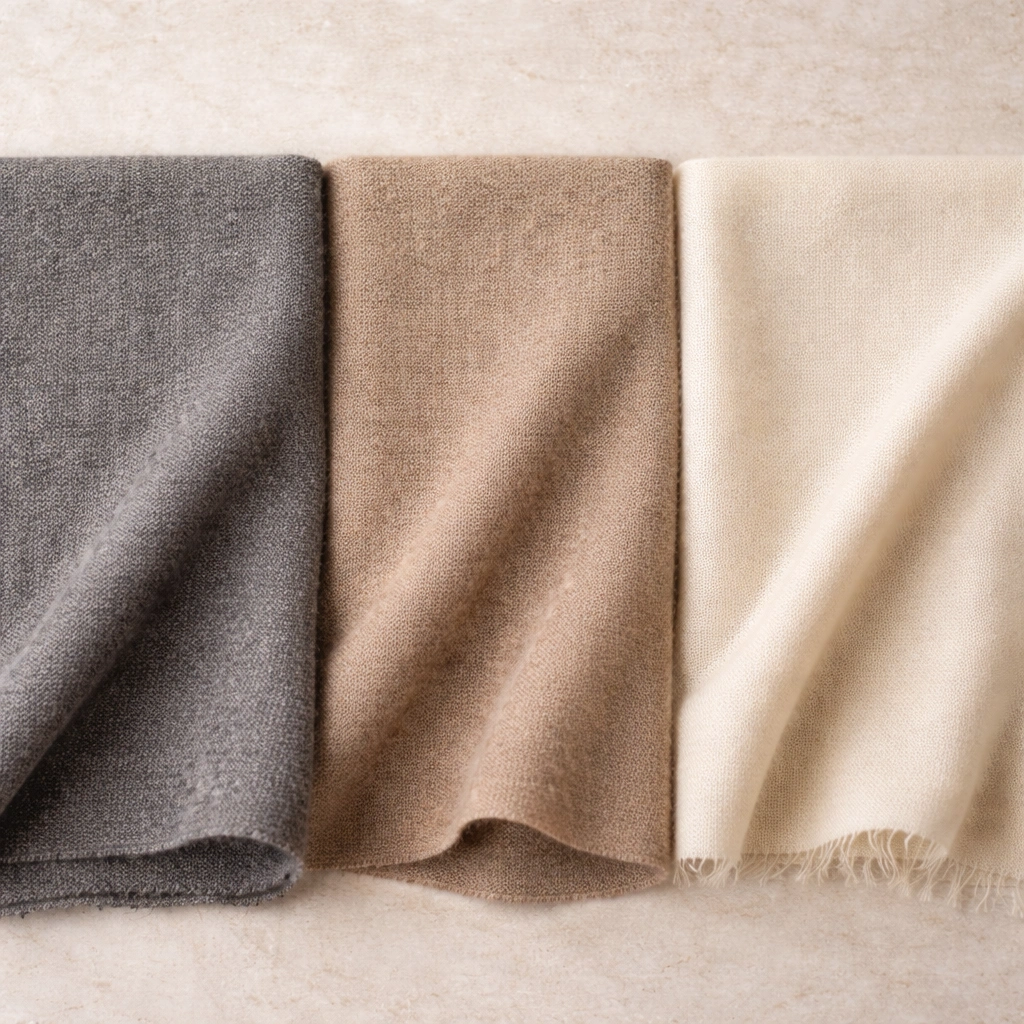
The grades of cashmere are a classification system based on the physical properties of cashmere fibre, primarily its diameter (measured in microns) and the length of each fibre strand. These two factors determine how soft, durable, and refined a cashmere piece will feel and perform over time.
The finer and longer the fibre, the higher the grade. The coarser and shorter, the lower.
Cashmere comes from the undercoat of Capra hircus goats, combed by hand during the spring moulting season. The fibre is then sorted and graded before it is spun into yarn. This grading process is where cashmere quality is either preserved or compromised, and it happens long before a piece reaches any label or shelf.
There are three main cashmere grades: Grade C, Grade B, and Grade A. Within Grade A, there is a further distinction that some producers refer to as Grade A+, sometimes called baby cashmere. Each grade produces a very different result in the finished piece, across all types of cashmere fabrics from scarves and shawls to throws and home textiles.
It is worth noting that grading is not governed by a single universal body. Different producers, countries, and mills apply their own standards. This is why transparency from a brand matters enormously. At Kashmir Bloom, full fibre disclosure is a baseline, not an afterthought.
Grade C: The Lowest Grades of Cashmere
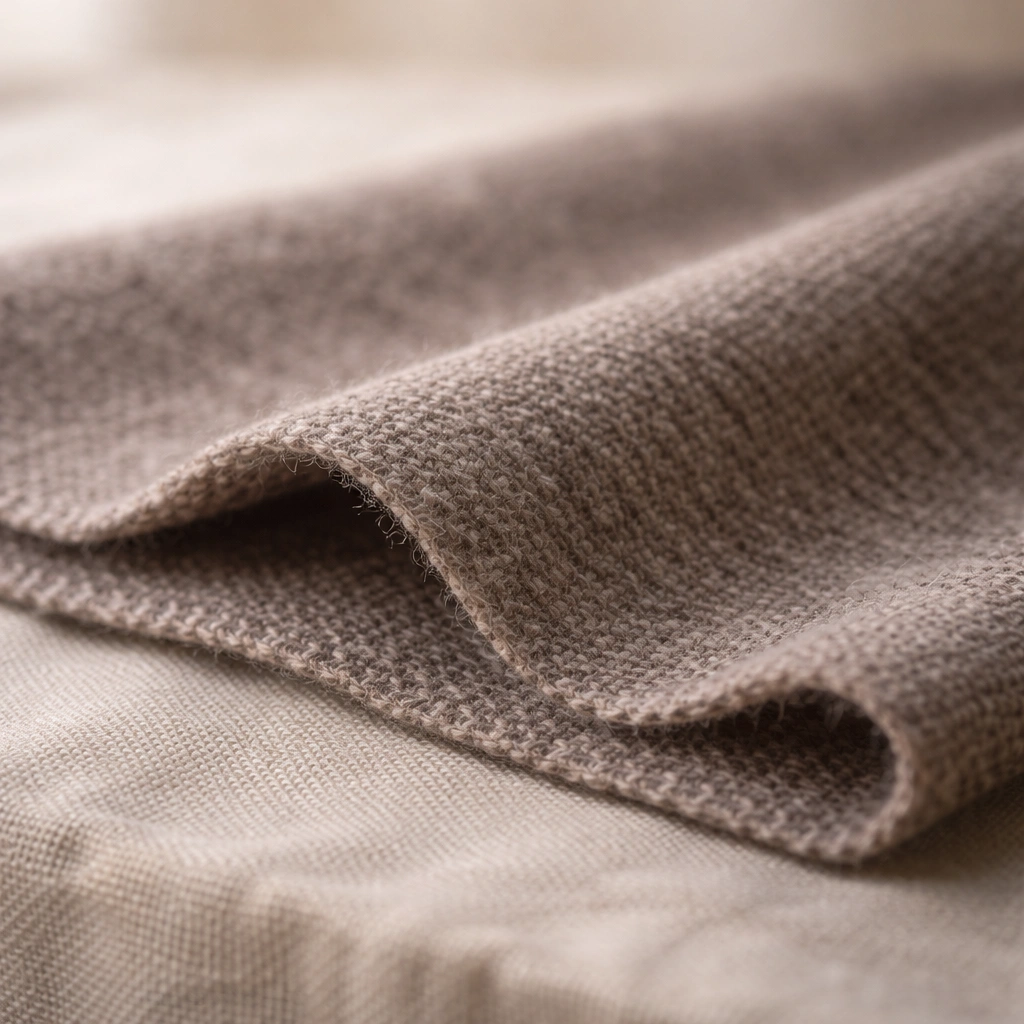
Grade C is the lowest of the cashmere grades, and it is more common than many consumers realise. Fibres in this category typically measure above 30 microns in diameter, which places them on the coarser end of the spectrum.
At this level, cashmere material can feel rough or bristly against bare skin. You may notice pilling within a short period of wear, and the piece may lose its shape or softness after only a few washes. Grade C sits at the bottom of the different grades of cashmere for a clear reason: the fibre is shorter, coarser, and less refined than anything above it.
Grade C cashmere is often found in very low-price garments or blended products where cashmere content is low and fibre quality has not been prioritised. It still qualifies as cashmere, because it still comes from the same goat. But it does not deliver the softness or longevity that cashmere is celebrated for.
If you have ever been disappointed by a cashmere piece that did not live up to its promise, there is a good chance Grade C fibre was involved. Knowing where it sits in the grades of cashmere is the first step to avoiding it.
Grade B: Mid-Range Grades of Cashmere
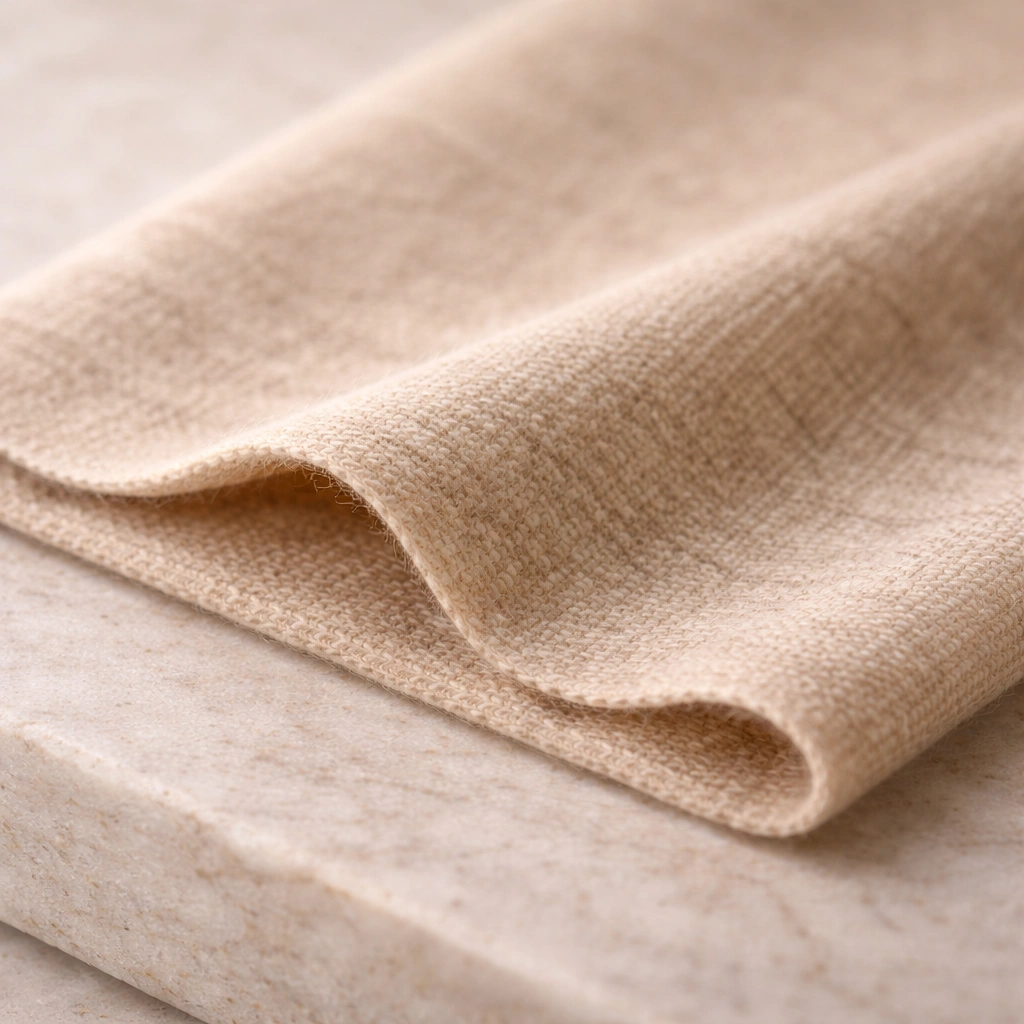
Grade B sits in the middle of the cashmere grades, with fibre diameters typically ranging between 19 and 30 microns. It is noticeably softer than Grade C and is what you will find in a large proportion of mid-range cashmere across the market.
At this grade, cashmere material becomes genuinely comfortable to wear against most skin types. It has a pleasant warmth, reasonable softness, and respectable durability when cared for properly. Many high-street cashmere pieces fall within this range, and for everyday layered wear, Grade B can be a sensible and honest choice.
It is also the grade you will often find in blended types of cashmere fabrics, where cashmere is combined with wool or silk to improve affordability while maintaining some of the warmth and drape that cashmere is known for. These blends can work well, provided the cashmere component is clearly disclosed and the blend ratio is transparent.
The different grades of cashmere begin to feel distinctly different at this level. When you compare Grade B directly with Grade A, the gap in softness, drape, and refinement is clear. Grade B does not yet reach the standard that defines true luxury cashmere, but it is a meaningful step above the entry level.
Grade A Cashmere: Where Luxury Begins
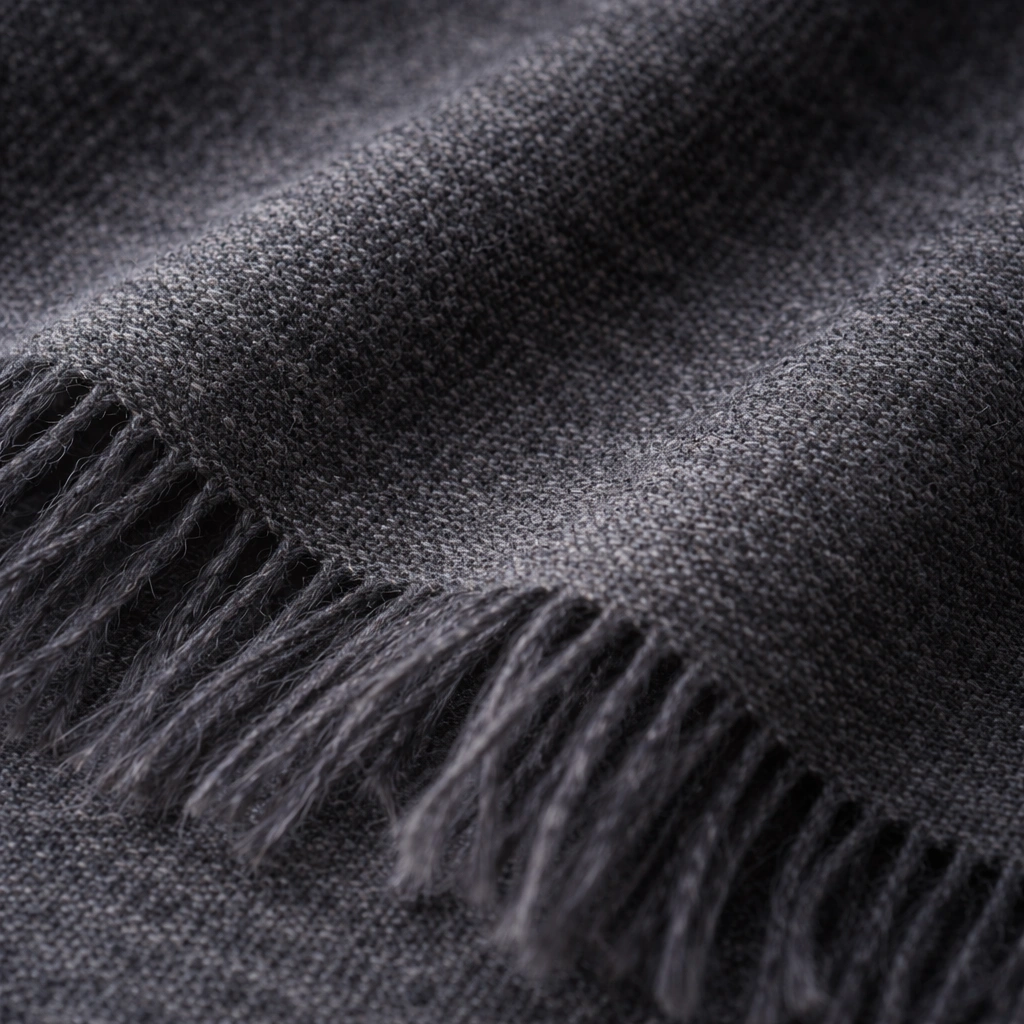
Grade A cashmere is where the experience of wearing this fibre changes completely. Fibres at this grade measure between 14 and 19 microns in diameter and are combed to a longer staple length, which allows them to be spun into a finer, more consistent yarn.
The result is a softness that is immediately apparent. Grade A cashmere drapes beautifully, insulates without bulk, and retains its shape far better than the cashmere grades below it. This is what people mean when they describe cashmere as feeling like wearing nothing at all.
Grade A cashmere is the benchmark for quality across the industry. Well-made pieces at this grade resist pilling more effectively, wash better, and genuinely improve with careful use over time. When you are investing in a cashmere scarf, shawl, or cashmere throw, Grade A is the minimum standard worth seeking.
Across all types of cashmere fabrics, whether woven, knitted, or blended, grade A cashmere consistently outperforms lower grades in both feel and longevity. If you are exploring the different grades of cashmere for the first time, Grade A is where that understanding becomes personal: you feel the difference, not just read about it.
Grade A+ and Baby Cashmere: The Finest Grades of Cashmere
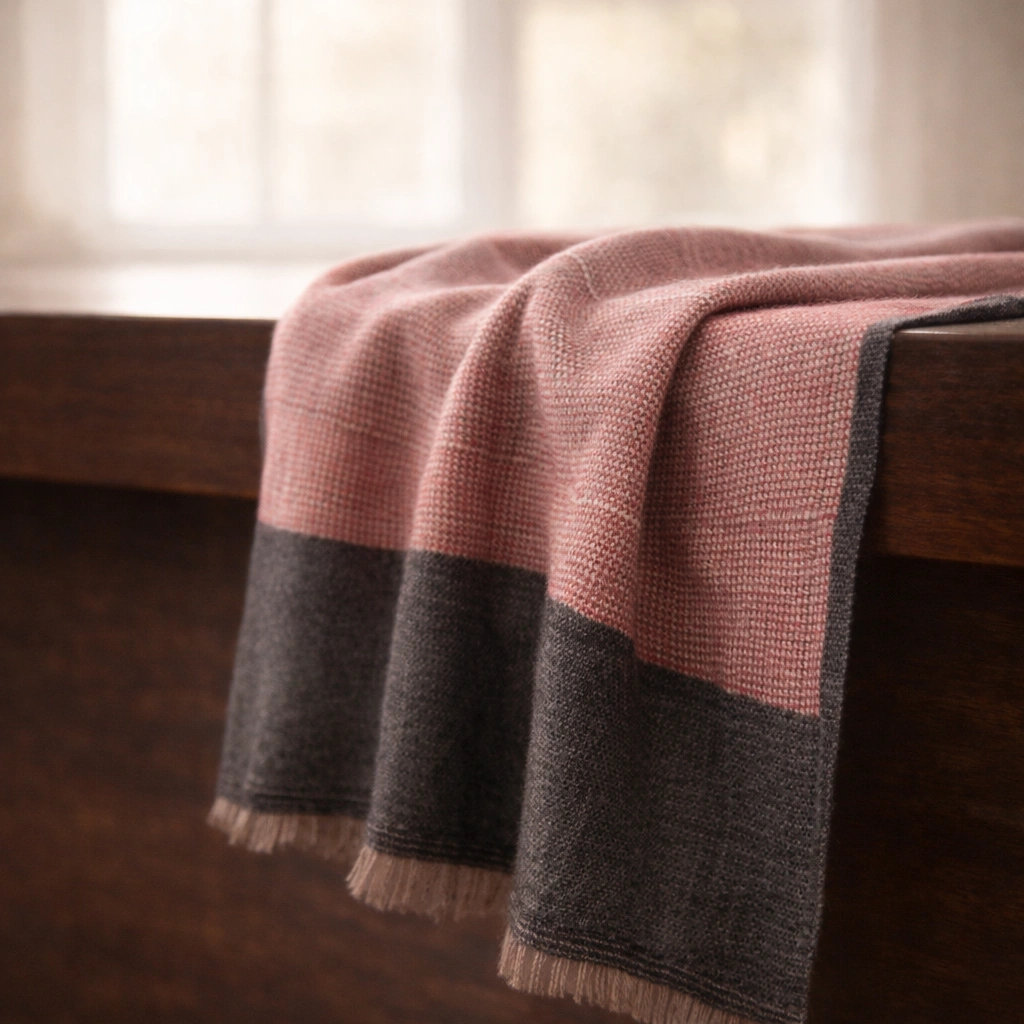
Above Grade A sits what some producers refer to as Grade A+ or baby cashmere. These terms are used less uniformly across the industry, but both describe fibre collected from very young Hircus goats, typically in their first combing season.
Baby cashmere fibres measure below 14 microns, with some of the finest examples falling below 12 microns. At this fineness, the cashmere material is extraordinarily soft and carries a natural lustre that is difficult to achieve at any other grade. It is also significantly rarer, because each young goat produces only a small quantity of this ultra-fine undercoat before the fibre coarsens slightly in subsequent seasons.
This rarity is one of the reasons cashmere at this level commands such a significant premium. It is not marketing language. The fibre genuinely represents a different category within the cashmere quality grades, one where softness, warmth, and longevity converge in a way that lower grades simply cannot replicate.
Pieces made from Grade A+ and baby cashmere are often described as heirloom-quality. Among all the different grades of cashmere, this is where craft and material reach their highest expression together. If you have ever wondered why cashmere can be so expensive, baby cashmere is a significant part of that answer.
Types of Cashmere Fabrics: How Grades of Cashmere Shape the Finished Piece
The grade of cashmere fibre directly shapes what types of cashmere fabrics can be produced from it, and how those fabrics behave in use. The same grade of cashmere can yield very different results depending on the construction method chosen. Understanding both together gives you a much clearer picture of what you are buying.
Woven Cashmere
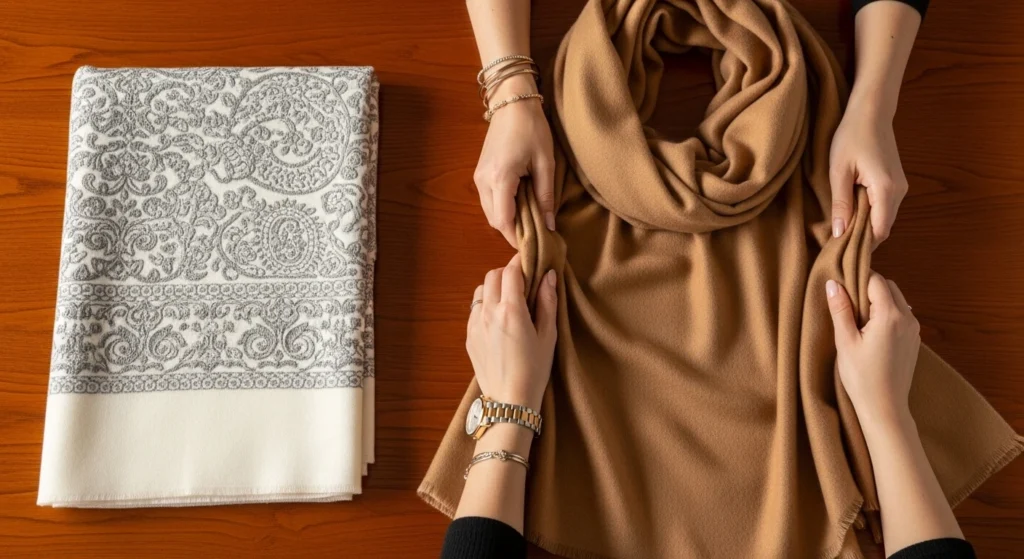
Woven cashmere is structured and holds its shape well. The weave type, whether plain, twill, or the intricate Kani technique woven on traditional handlooms, determines the texture and weight. Higher cashmere grades produce a finer weave with greater clarity of pattern. In Kani weaving, where each thread is individually placed by the weaver, the quality of the cashmere material directly affects the intricacy and precision of the finished design. Grade A fibre allows the pattern to emerge with a sharpness that lower grades cannot achieve.
Knitted Cashmere
Knitted cashmere is softer and more stretchy than woven, making it well suited to jumpers, cardigans, and cold-weather accessories. Grade A cashmere produces knitted pieces with excellent elasticity and recovery, meaning the piece springs back to shape after wearing. Lower-grade knitted cashmere is more prone to bagging at stress points. The difference is particularly noticeable after several washes.
Cashmere Blends
Blended types of cashmere fabrics combine cashmere with other fibres such as wool, silk, or merino. These blends can be excellent when the cashmere component is Grade A and the blend ratio is clearly disclosed. Cashmere-silk blends produce a lightweight fabric with exceptional drape, ideal for scarves and stoles. The key is always knowing what percentage of the blend is cashmere and what grade that cashmere is. Without that information, the different grades of cashmere within a blend are impossible to evaluate honestly.
Cashmere Throws and Home Textiles
Grade matters just as much in home textiles as it does in wearable pieces. A cashmere throw made from Grade A cashmere material will remain soft and resist pilling through years of regular use. Lower-grade throws may feel adequate at first but deteriorate relatively quickly with handling.
How to Identify the Grades of Cashmere When Buying
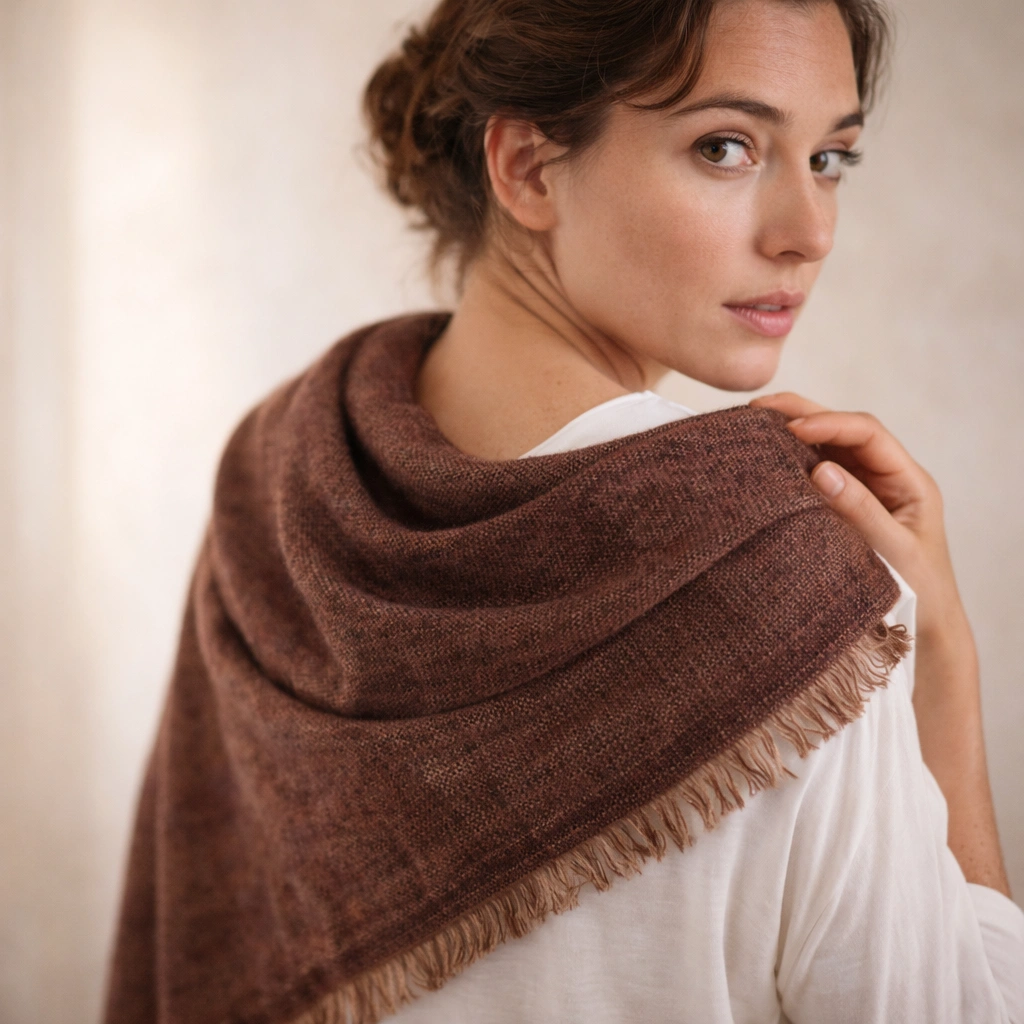
Knowing the grades of cashmere is only useful if you can apply that knowledge when you are actually buying. Here are the most reliable ways to assess cashmere quality grades before committing to a piece.
Ask about fibre diameter. A reputable seller should be able to tell you the micron count of the cashmere they use. If this information is not available, treat that as a signal. Honest brands know their fibre specifications and share them without hesitation.
Check the composition label. Look for 100% cashmere or a clearly disclosed blend percentage. Vague labels such as “cashmere mix” or “cashmere-touch” are not the same thing and tell you nothing meaningful about which of the grades of cashmere you are purchasing.
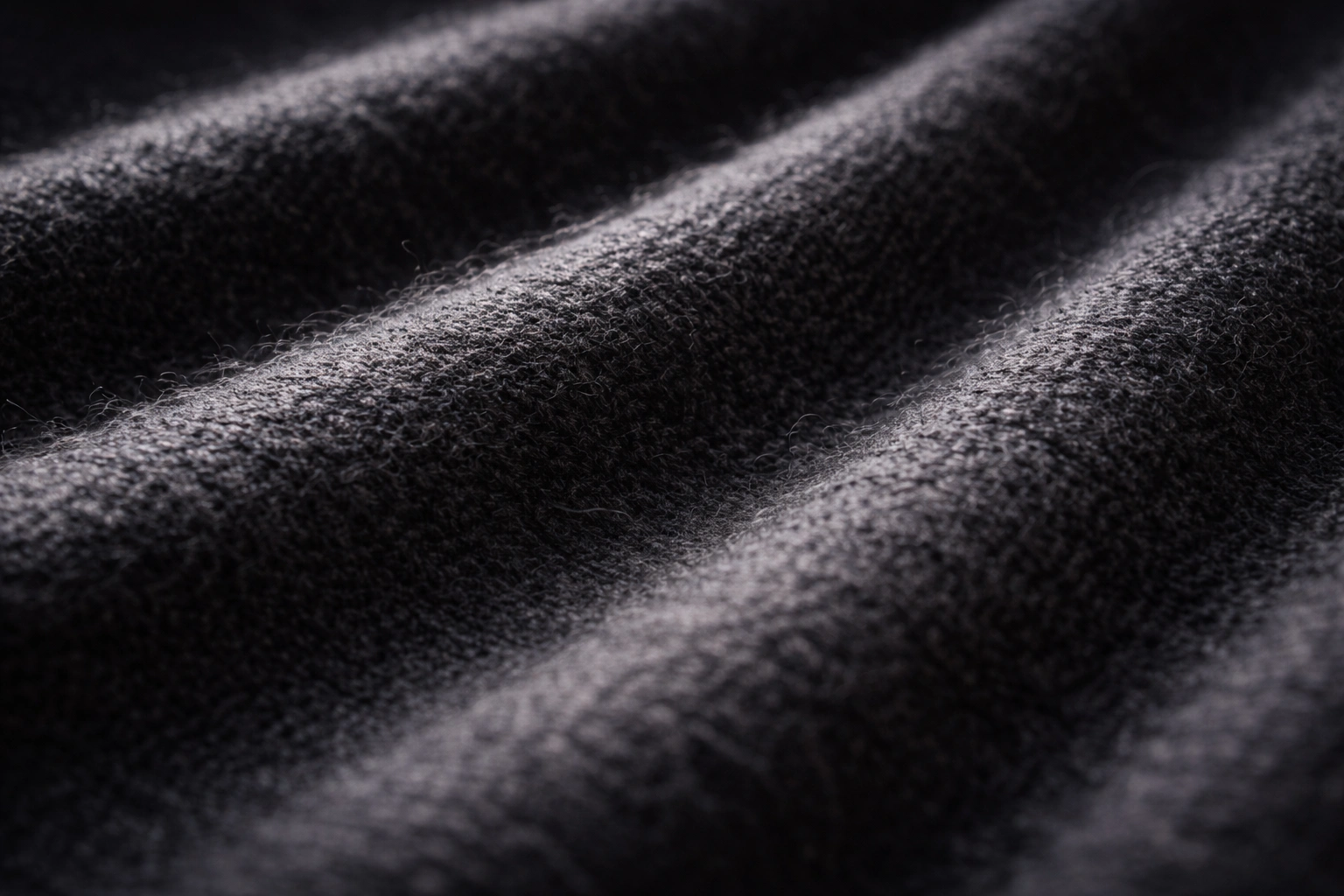
Feel the fabric directly where possible. Grade A cashmere should feel immediately soft, even against sensitive skin. If it feels rough or stiff on first contact, the fibre grade is likely lower. Cashmere material at the top of the cashmere quality grades does not need to be broken in. It is soft from the first touch.
Consider the price in context. Genuine Grade A cashmere at a very low price is unlikely. Cashmere at this quality level has real production costs attached. Extreme budget pricing rarely aligns with high-grade fibre.
Research the brand’s transparency. Brands that disclose their sourcing, fibre specifications, and manufacturing processes are far more likely to be selling what they claim. Our guide to how to identify pure pashmina covers many of these principles in detail, and they apply equally to understanding the grades of cashmere.
Why the Grades of Cashmere Matter for Longevity
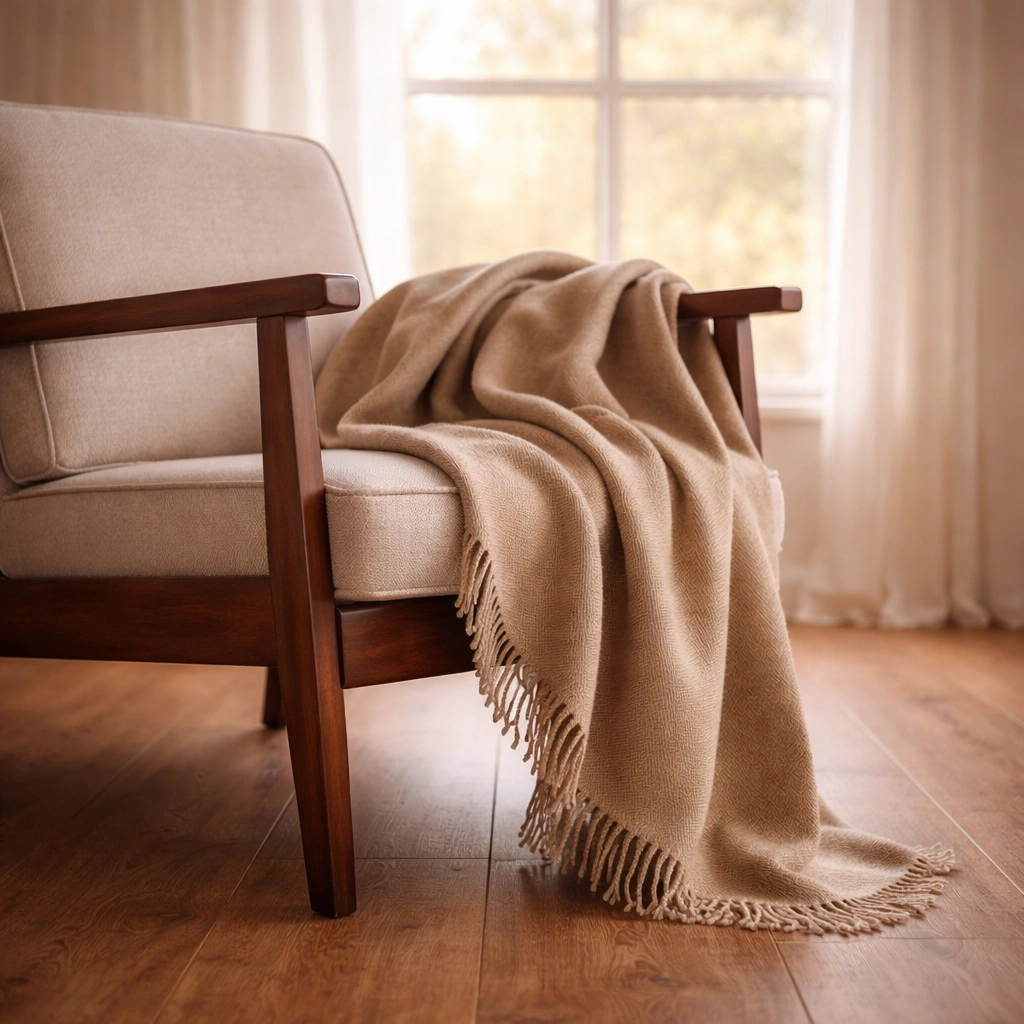
A cashmere piece is not a fast fashion purchase. Or rather, it should not be. The whole point of cashmere, properly understood, is that it lasts. A well-made Grade A cashmere scarf, cared for correctly, does not just survive years of use. It becomes softer with time. The fibres settle, the weave relaxes, and the piece develops a character that new cashmere does not have.
Lower cashmere grades rarely behave this way. They tend to pill, thin out, or lose their softness within a relatively short period. The initial saving becomes a long-term cost if the piece needs replacing within a few seasons. This is one of the most important practical differences between the different grades of cashmere: it is not just about how a piece feels on day one, but how it holds up over years.
Understanding cashmere quality grades changes how you approach buying. It moves you away from thinking about the price of a piece and towards thinking about the value it delivers over its full lifetime. Grade A cashmere, made from the finest cashmere material and cared for with attention, represents far better value than several lower-grade pieces that each last two or three seasons.
You can explore our collection of cashmere shawls to see how this philosophy translates into the pieces Kashmir Bloom offers. Every piece is selected with the same principle in mind: cashmere material should earn its place, and the grades of cashmere make that standard clear and honest.
Frequently Asked Questions
What are the grades of cashmere and what do they mean?
The grades of cashmere are Grade C, Grade B, Grade A, and Grade A+ (baby cashmere). They are determined by fibre diameter and length. Grade C is the coarsest, measuring above 30 microns. Grade B sits between 19 and 30 microns. Grade A ranges from 14 to 19 microns and is the standard for luxury cashmere. Grade A+ measures below 14 microns and is the rarest and softest of all the cashmere quality grades.
What is Grade A cashmere?
Grade A cashmere refers to fibre with a diameter between 14 and 19 microns and a longer staple length. It is the benchmark for quality in the industry, delivering the softness, drape, and durability that cashmere is known for. Grade A cashmere resists pilling more effectively and maintains its appearance through years of careful use and washing.
How can I tell what grade of cashmere a product is?
Ask the seller for the micron count. Check the label for a clear fibre composition percentage. Feel the fabric directly if possible. Research the brand’s transparency practices. Grade A cashmere should feel immediately soft against bare skin. Sellers who cannot or will not provide fibre specifications should be approached with caution.
What are the different types of cashmere fabrics?
The main types of cashmere fabrics are woven cashmere, knitted cashmere, and blended cashmere. Woven cashmere holds its structure and works well for shawls and scarves. Knitted cashmere is stretchier and suits garments. Blended cashmere combines cashmere material with wool or silk to achieve different qualities of drape, weight, or warmth. The grades of cashmere affect the quality of all these fabric types significantly.
Is blended cashmere lower quality than pure cashmere?
Not necessarily. A well-made cashmere-silk blend using Grade A cashmere material can be an excellent choice, offering softness combined with the added drape and sheen of silk. The key is knowing the composition percentage and the grade of the cashmere used. Without that transparency, a blend is difficult to assess fairly.
Why do cashmere quality grades vary so much between brands?
Cashmere grading is not governed by a single universal standard. Different producers apply different criteria, and the term “cashmere” on a label does not specify grade. This is why brand transparency matters. Brands that disclose fibre diameter, sourcing, and composition are far more likely to deliver consistent cashmere quality grades than those who keep their specifications vague.