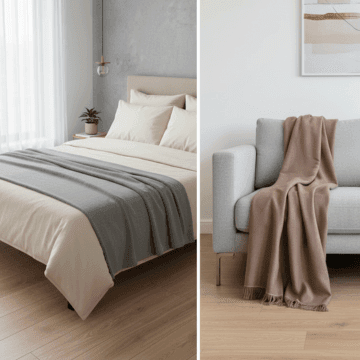
The difference between throw and blanket is not just about size, it is about function, textile construction, and styling intent. In home décor vocabulary, a blanket refers to a primary warmth layer engineered for coverage and thermal performance, while a throw is a decorative accent layer designed for versatility and visual texture. Understanding the difference between throw and blanket helps homeowners decide blanket or throw placement based on purpose rather than guesswork. When people search throw vs blanket or what is the difference between a throw and a blanket, they are usually deciding between warmth, layering strategy, and aesthetic impact.
At Kashmir Bloom, we approach the difference between throw and blanket through textile craftsmanship, fibre selection, and room styling logic. The discussion is not simply what is a throw blanket, but how each textile interacts with bedding systems, upholstery, and seasonal layering. Knowing what are throw blankets used for and whether can you use a throw as a blanket depends on coverage, insulation value, and intended placement. The difference between throw and blanket becomes clear once construction, dimensions, and material weight are analysed side by side.
What Is a Blanket and How Does It Function in the Home
A blanket is a full coverage textile layer primarily engineered for insulation. It is manufactured in standard bed dimensions such as twin, double, queen, and king to align with mattress sizing. The core purpose of a blanket is thermal regulation during sleep, which directly answers part of the difference between throw and blanket in practical terms.
Blankets are typically woven or knitted from cotton, wool, fleece, or synthetic blends. Cotton blankets provide breathability and moisture absorption, wool offers natural temperature regulation, and synthetic fibres enhance durability and affordability. According to the Textile Exchange Preferred Fiber and Materials Market Report, cotton and polyester remain the most widely used fibres in global home textiles, demonstrating their dominance in blanket manufacturing. Fibre choice directly influences insulation performance, drape, and maintenance cycles.
How Do Blankets Integrate Into Bedding Systems
In structured bedding systems, a blanket sits between the top sheet and duvet or functions as the uppermost layer in warmer climates. This layering method improves thermal efficiency and extends duvet lifespan. The difference between throw and blanket becomes functional here, because a throw vs blanket comparison shows that throws rarely provide full mattress coverage. When evaluating blanket or throw for the bedroom, blankets are designed for uniform edge to edge distribution across the bed surface.
What Is a Throw Blanket and What Are Its Primary Uses
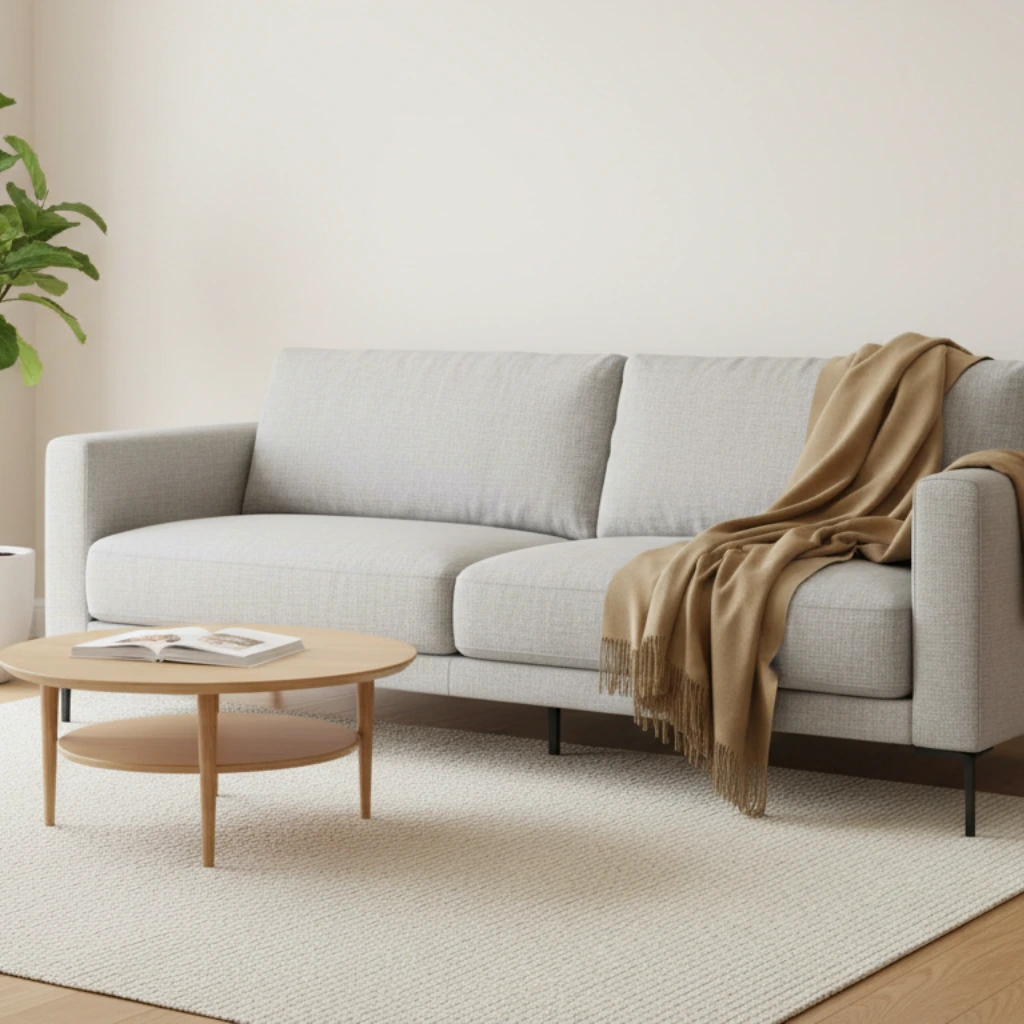
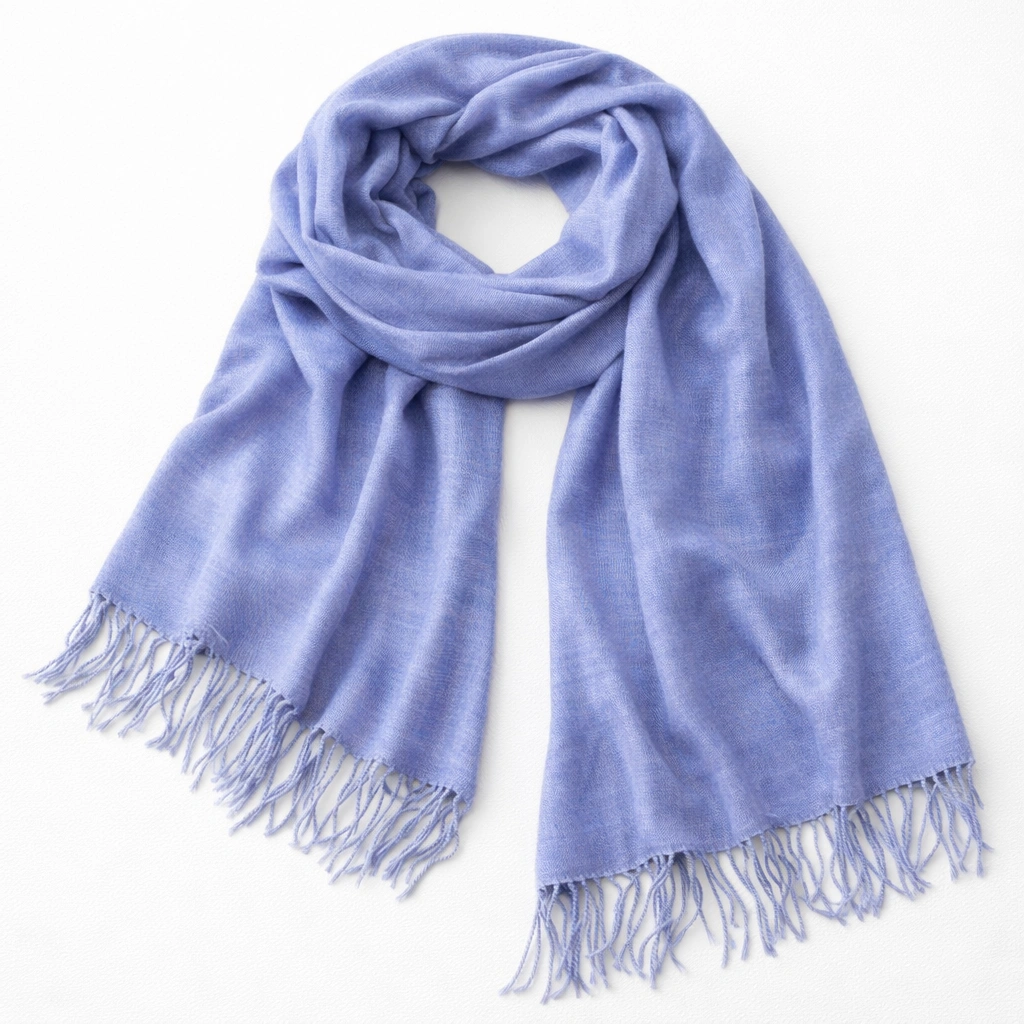
A throw blanket is a smaller, versatile textile layer intended for single person use, accent styling, and light warmth. When users ask what is a throw blanket, the answer lies in scale, portability, and decorative intent. Unlike a primary blanket, a throw is not sized to mattresses, which reinforces the difference between throw and blanket in both design and engineering.
Throws are often crafted from cashmere, lightweight wool, fleece, chenille, or textured knit constructions. These materials prioritise softness, tactile appeal, and visual layering. What are throw blankets used for extends beyond warmth, they are used to soften upholstery lines, introduce colour contrast, and create visual depth in living spaces. In the throw vs blanket comparison, throws serve as styling tools as much as comfort pieces.
Can You Use a Throw as a Blanket
Many homeowners ask can you use a throw as a blanket. A throw can provide temporary warmth for lounging, but it does not offer the full body coverage required for overnight insulation. This limitation reinforces the difference between throw and blanket in functional design. In home styling, a throw blanket works best on sofas, armchairs, and bed ends, while blankets remain part of the sleep system.
If you are exploring versatile layering options for your living space, you can browse our collection of throw blankets to find styles designed specifically for accent comfort and decorative use.
How Do Size and Coverage Distinguish a Throw From a Blanket
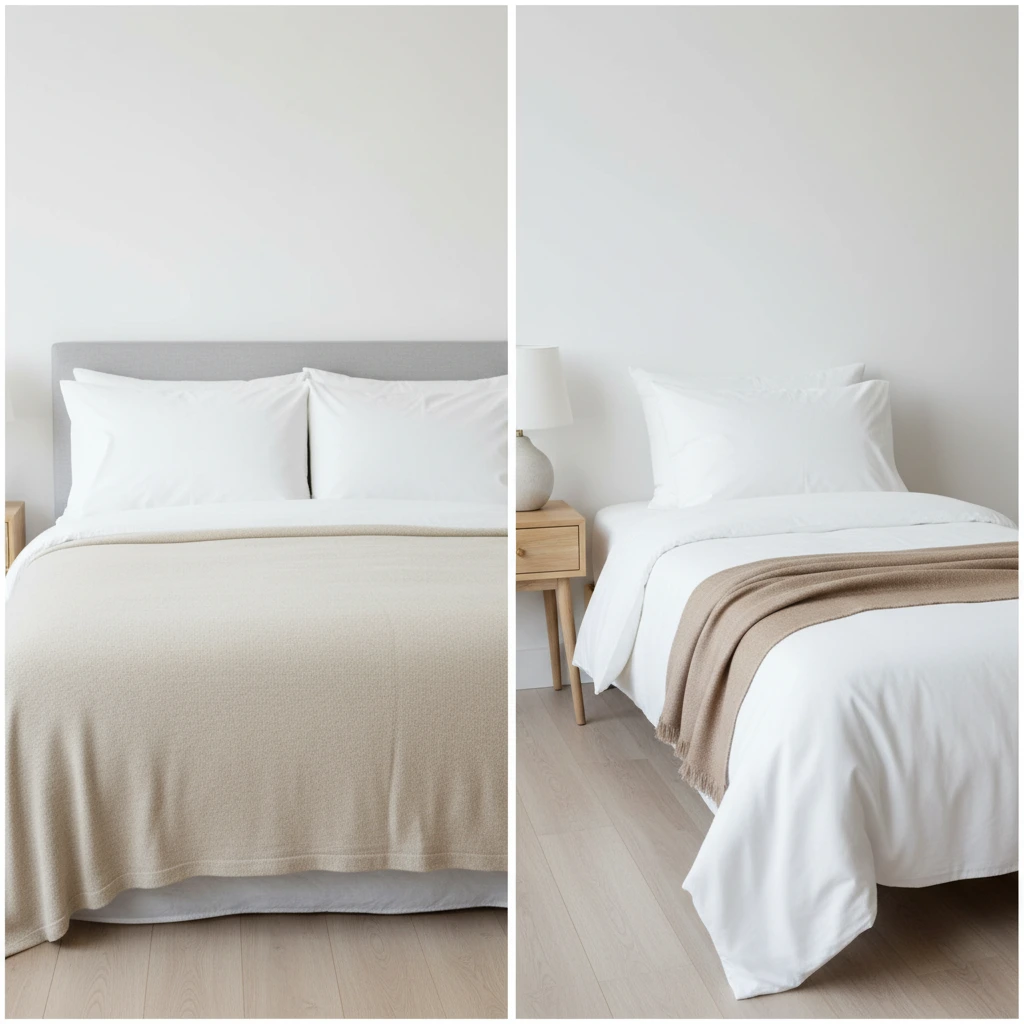
Size is one of the most measurable indicators of the difference between throw and blanket. A standard throw blanket typically measures around 50 by 60 inches, sometimes extending to 50 by 70 inches. These dimensions suit individual use and decorative draping. In contrast, blankets correspond to mattress sizes, with queen blankets averaging approximately 90 by 90 inches and king blankets extending beyond 100 inches in width.
Coverage determines classification. If the textile is intended to fully cover a mattress and accommodate movement during sleep, it qualifies as a blanket. If it is designed for partial coverage or accent placement, it qualifies as a throw. When deciding blanket or throw for a space, coverage needs should guide the choice. Understanding what is the difference between a throw and a blanket becomes straightforward when dimensions, insulation goals, and placement strategy are considered together.
What Materials Are Common in Throws vs Blankets and Why It Matters
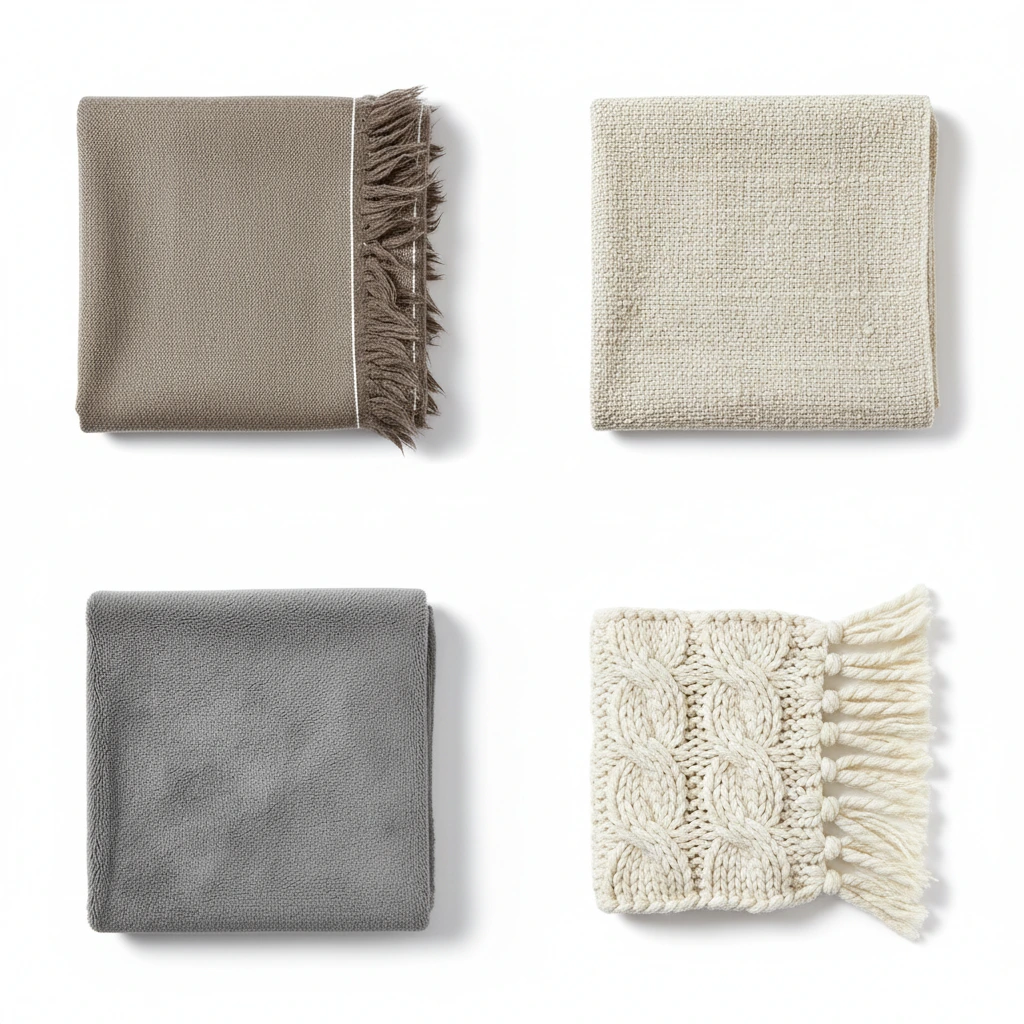
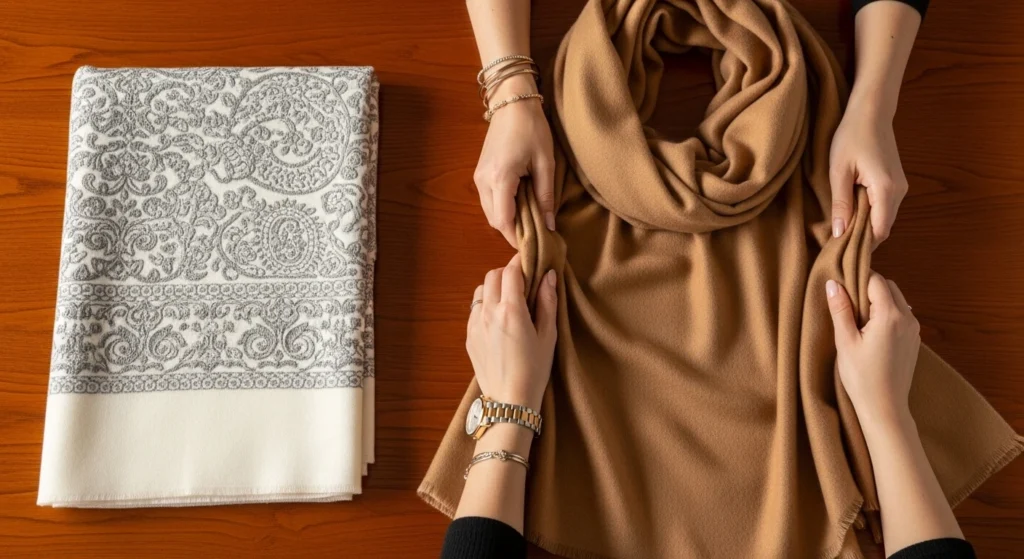
Material selection defines the structural difference between throw and blanket at a fibre level. In textile manufacturing, blankets are typically constructed from cotton, wool, flannel, or performance synthetics because these fibres optimise insulation, breathability, and long term durability. Throws, by contrast, prioritise tactile appeal and surface texture, often using cashmere blends, chenille, faux fur, brushed fleece, or decorative knit constructions. This material contrast directly clarifies what is the difference between a throw and a blanket when analysing thermal performance and design intention.
How Does Fibre Content Influence Warmth and Durability
Wool blankets provide natural thermoregulation due to crimped fibre structure that traps air, while cotton blankets allow airflow and moisture management. Synthetic fleece enhances lightweight insulation and resists shrinkage after repeated washing. Throws use softer yarn counts and decorative finishes, which answer what are throw blankets used for in lifestyle settings rather than overnight insulation. According to the Sleep Foundation, wool can regulate body temperature effectively because it wicks moisture while retaining warmth. This reinforces the difference between throw and blanket in performance metrics.
The difference between throw and blanket also affects maintenance. Blankets are engineered for regular laundering cycles and consistent shape retention. Throws may require delicate care due to fringe detailing or brushed finishes. When evaluating throw vs blanket for everyday use, fibre resilience becomes central to longevity.
What Role Does Texture and Design Play in Throw vs Blanket Selection
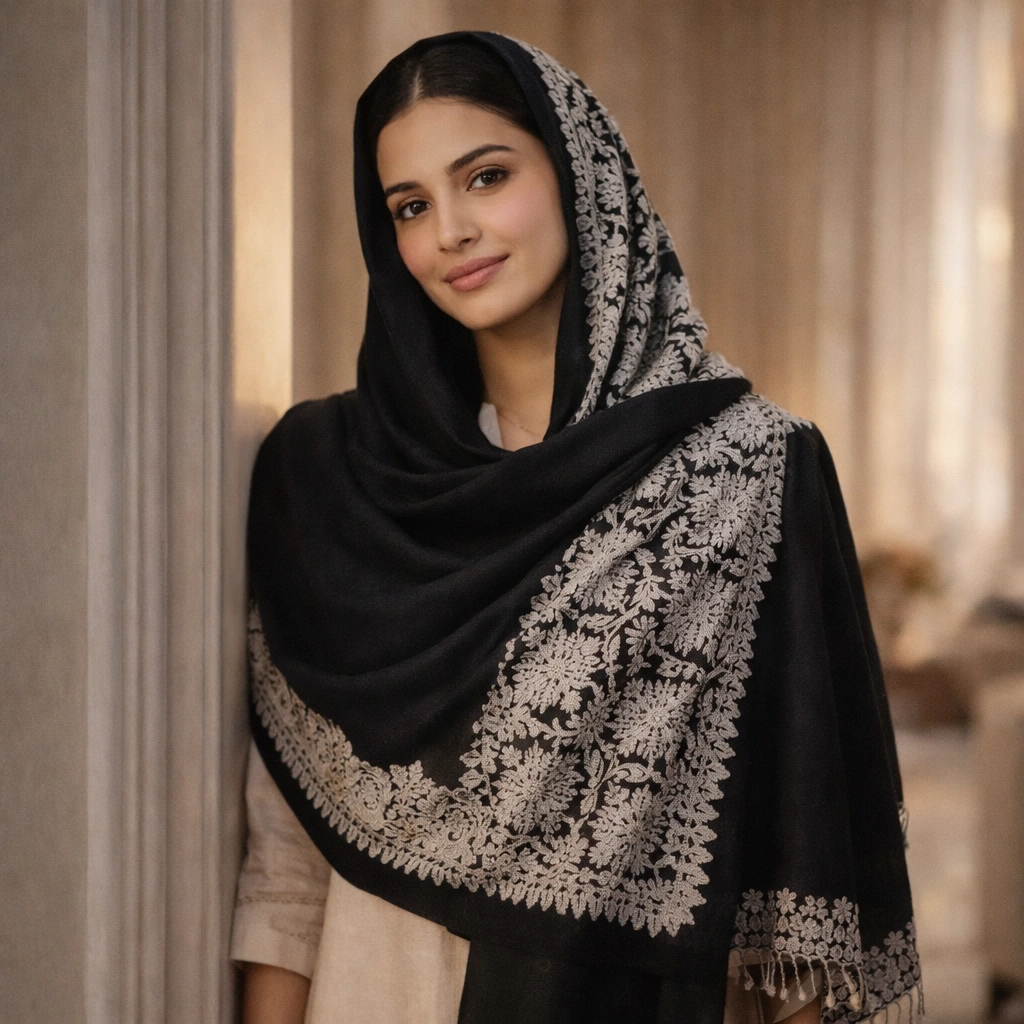
Texture and weave construction shape the visual difference between throw and blanket in interior styling. Throws frequently feature cable knits, open weaves, tasselled edges, jacquard patterns, and contrast stitching. These design details elevate the textile from functional layer to décor element. When customers ask what is a throw blanket in a styling context, the answer often includes its role in adding depth and dimension to a room.
How Do Pattern and Weave Influence Room Cohesion
Pattern repetition and weave density influence spatial harmony. A textured throw on a neutral sofa introduces tactile contrast without overwhelming the palette. In throw vs blanket comparisons, blankets generally maintain understated finishes to integrate seamlessly within bedding systems. This design restraint explains part of the difference between throw and blanket from an aesthetic perspective. Seasonal styling also relies on texture variation. Lightweight woven throws support summer layering, while dense wool blankets maintain winter warmth. When choosing blanket or throw for décor balance, texture alignment with upholstery and drapery ensures cohesion.
How Should You Choose Between a Blanket or Throw for Different Rooms
Room function determines the practical difference between throw and blanket in placement strategy. In living rooms, throws are positioned on couches, reading chairs, or window benches to deliver quick warmth and visual layering. Understanding what are throw blankets used for helps guide this decision. They provide accessible comfort without committing to full bed coverage.
In bedrooms, blankets operate as structured thermal layers within the sleep environment. When evaluating blanket or throw for this space, coverage and insulation outweigh decorative detail. The difference between throw and blanket becomes contextual rather than purely dimensional.
Can Layering Combine Both Effectively
Layering allows both textiles to coexist. A blanket can provide foundational warmth, while a throw introduces accent colour at the foot of the bed. This approach addresses what is the difference between a throw and a blanket while leveraging each for distinct benefits.
Can a Throw Blanket Replace a Blanket for Warmth and Comfort
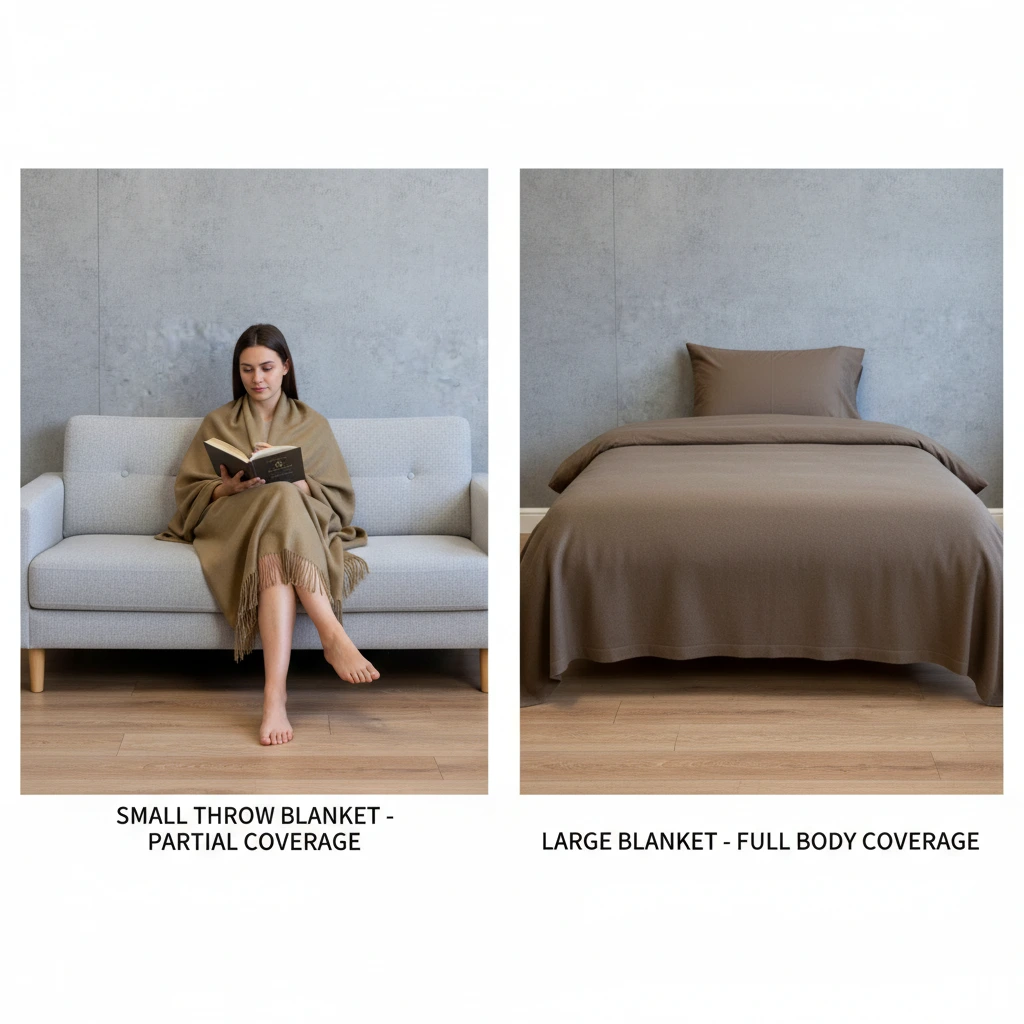
The question can you use a throw as a blanket depends on fibre weight, dimensions, and thermal output. A thick wool throw may deliver temporary warmth for lounging, but it cannot replicate the full body insulation of a bed sized blanket. This limitation reinforces the measurable difference between throw and blanket in functional engineering.
When Does a Throw Work as Primary Warmth
In mild climates or short rest periods, a throw may suffice. However, in sustained overnight use, a blanket distributes heat more evenly across the mattress surface. The throw vs blanket evaluation ultimately centres on coverage efficiency and insulation density. Understanding what is a throw blanket clarifies that it complements rather than replaces a blanket. The difference between throw and blanket therefore remains grounded in coverage, fibre composition, and intended use within home styling.
How Do Care and Maintenance Differ Between Throws and Blankets
Care requirements highlight another practical difference between throw and blanket, particularly when evaluating long term performance and cost of ownership. Blankets are often woven with durability in mind because they function as primary bedding layers. Their fibre composition, whether cotton, wool, or synthetic blends, is typically selected for repeat laundering and structural resilience. Throws, by contrast, are handled more frequently in living areas and may accumulate surface debris faster, which affects washing frequency. Understanding what is the difference between a throw and a blanket includes analysing how each textile responds to cleaning cycles.
How Does Usage Influence Washing Frequency
Blankets are usually washed less frequently than throws because they are layered within bedding systems and protected by sheets. Throws are exposed to direct contact on sofas and chairs, which increases the need for regular cleaning. This usage pattern clarifies part of the difference between throw and blanket in maintenance planning. When deciding blanket or throw for high traffic spaces, ease of laundering becomes central. Fibre type determines care method, wool may require gentle washing, while fleece is machine friendly. According to the American Cleaning Institute, following fibre specific washing instructions can extend textile lifespan significantly https://www.cleaninginstitute.org. This reinforces the economic impact within the throw vs blanket decision.
What Practices Extend Longevity
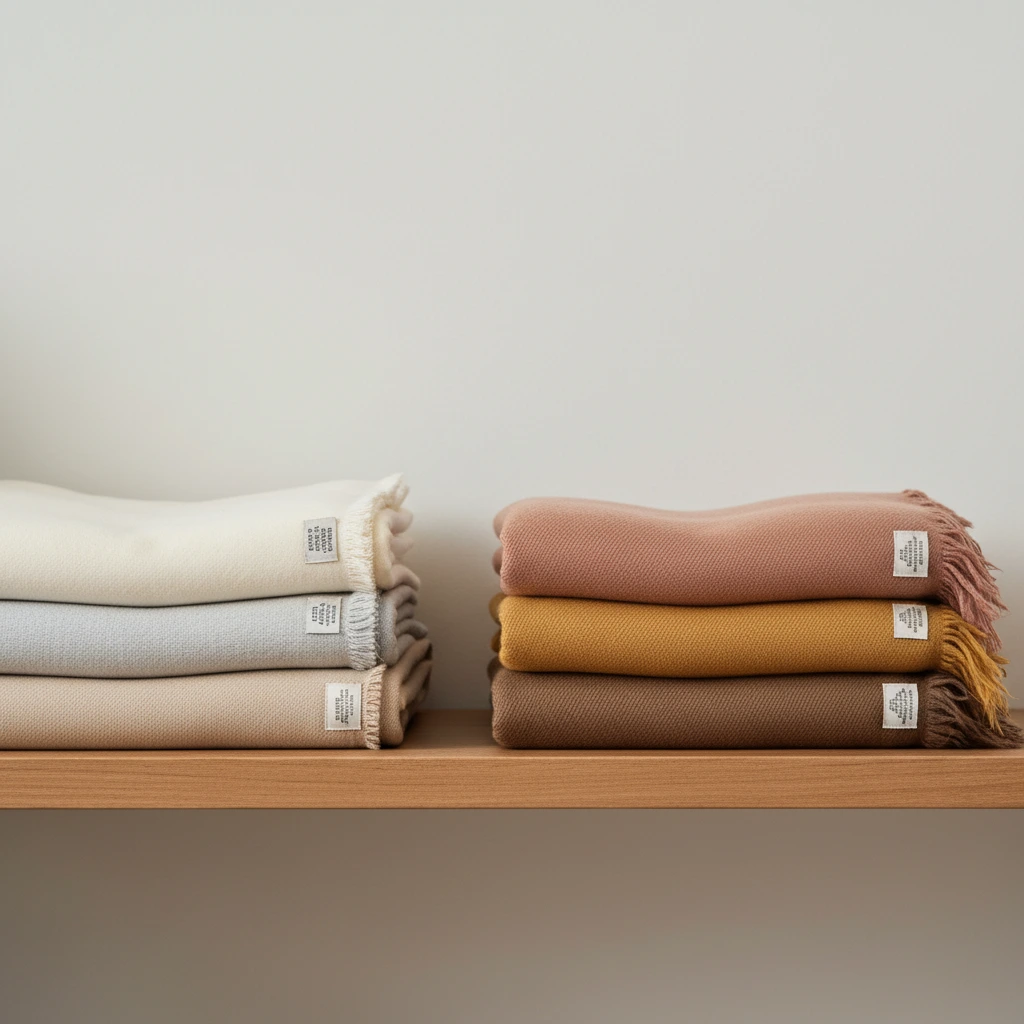
Rotating textiles seasonally reduces fibre stress and prevents overuse. Proper folding rather than hanging preserves weave integrity. Breathable storage bags protect blankets during off season months, while throws with fringe detailing should be stored flat to avoid distortion. These practical measures influence the total cost over time and strengthen the functional difference between throw and blanket.
What Are Common Misconceptions About Throws and Blankets?
Many consumers assume throws are simply smaller blankets. This assumption overlooks the structural and stylistic difference between throw and blanket. When people search what is a throw blanket, they often expect it to perform identically to a bed sized blanket. In reality, the difference between throw and blanket includes intended placement, insulation density, and aesthetic role.
Are Throws Just Small Blankets?
Throws are not defined solely by size. They are designed for portability, decorative layering, and quick warmth. Asking what are throw blankets used for reveals that they function as accent textiles rather than foundational bedding components. This clarifies what is the difference between a throw and a blanket beyond dimensions.
How Do Afghans and Comforters Fit Into the Discussion
Afghans are traditionally knitted throws, while comforters are quilted bedding layers filled with insulating material. Confusing these categories obscures the difference between throw and blanket. In a throw vs blanket comparison, a comforter operates as a structured sleep layer, whereas a throw remains an auxiliary textile. Recognising these distinctions prevents incorrect blanket or throw purchasing decisions.
Conclusion
The difference between throw and blanket shapes both visual styling and functional comfort within the home. A blanket delivers structured insulation and bedding integration, while a throw enhances texture, portability, and accent layering. Understanding what is the difference between a throw and a blanket allows homeowners to align textile choice with room function. The throw vs blanket evaluation should always consider fibre composition, coverage needs, and maintenance expectations. At Kashmir Bloom, the focus remains on informed textile selection grounded in craftsmanship and practical application. When deciding blanket or throw, the right choice balances aesthetics with performance.
Frequently Asked Questions
What is the difference between a throw and a blanket
The difference between throw and blanket lies in size, insulation capacity, and intended use. Blankets provide full bed coverage and structured warmth. Throws provide lighter coverage and decorative versatility.
Can I use a throw instead of a blanket on my bed?
Can you use a throw as a blanket depends on coverage and fibre weight. A throw may provide temporary warmth, but it does not replace a full size blanket for overnight insulation.
Is a throw blanket the same as a throw?
What is a throw blanket refers to the same product category as a throw. The terminology differs slightly, but both describe a smaller decorative textile layer.
Are some throws better for warmth than small blankets?
Certain wool or dense knit throws can deliver significant warmth. However, the difference between throw and blanket remains evident in coverage and heat distribution.
How do I choose whether to buy a blanket or throw for winter vs summer in home styling?
For winter, choose blankets with higher insulation values. For summer, lightweight throws offer breathable comfort. Evaluating what are throw blankets used for in each season clarifies the blanket or throw decision.